The massive growth in cloud orchestration, predictive analytics, and large-scale AI deployment has reshaped the demands on enterprise-level hardware. Modern system architects realize that off-the-shelf options no longer suffice. Standard configurations often introduce thermal bottlenecks, power inefficiencies, and unnecessary feature sets that increase costs without delivering performance. This limitation has accelerated the rise of specialized OEM/ODM Data Center Factories. These factories act as the foundational pillars of cloud hyperscaling, enabling customized server systems designed for high efficiency and workload optimization.
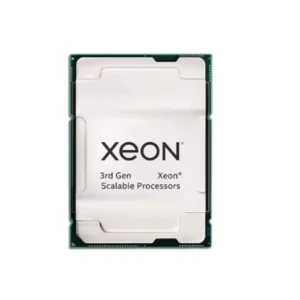
When organizations source through an experienced partner like Nexa Technology Co., Ltd. (operating globally as Shenzhen Tiansheng Cloud Technology Co., Ltd.), they transition from purchasing generic platforms to designing customized hardware ecosystems. This approach ensures every component—including PCIe Gen 4/5 SAS RAID cards, high-capacity solid-state drives (SSDs), and multi-core processors—is configured to maximize computational output per watt. Sourcing directly from verified systems integration factories allows organizations to reduce capital expenditures while optimizing total cost of ownership (TCO) across complex server environments.
The global market for data center infrastructure is expanding rapidly. The rise of containerized microservices and deep learning workflows requires highly flexible manufacturing systems. OEM/ODM factories are evolving from component assembly lines into comprehensive technology partners. These partners must manage the entire hardware lifecycle, including system design, testing, verification, and logistics.
From Eastern Europe and Southeast Asia to the Middle East, regional regulations drive the demand for custom hardware. In Southeast Asia, rapid digital expansion requires power-efficient architectures due to high ambient temperatures and energy costs. In Eastern Europe and the Middle East, strict data localization and sovereignty policies require custom server builds with localized security modules. Sourcing from a partner capable of executing precise configurations—such as custom GPU topologies for AI modeling or high-capacity storage nodes—ensures that global operations remain fast, compliant, and cost-effective.
Modern data center customization is divided into distinct, structured phases. These run from Level 6 (L6) barebone component assemblies up to Level 11 (L11) fully integrated server racks ready for immediate deployment.
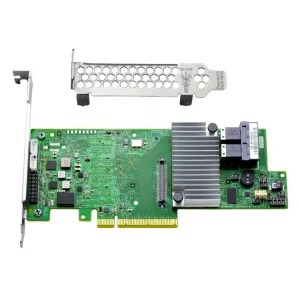
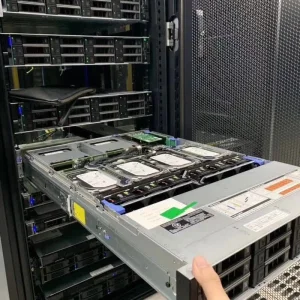
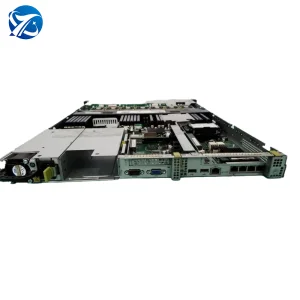
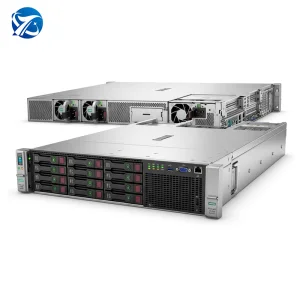
This stage focuses on system-level integration. We configure barebone chassis by installing high-density CPUs, DDR4/DDR5 ECC RAM modules, and specialized controller cards (such as the 9560-16i-PCIe 8GB RAID Controller Card). The system is built and optimized for high-throughput, low-latency enterprise workloads.
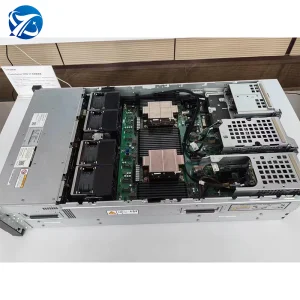
We deploy dual and quad-socket systems designed for AI training and complex simulations. These are equipped with custom PCI Express risers and efficient heat-sink setups to support multiple high-wattage acceleration cards. This configuration delivers the thermal control required for intensive, continuous operations.
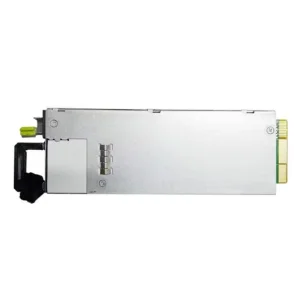
We optimize energy distribution using highly efficient power supplies, including Platinum 900W, 1500W, and 2000W AC PSUs. These are matched with custom-designed heat sinks and cooling fans to maintain stable operations and extend component lifespans under heavy processing loads.
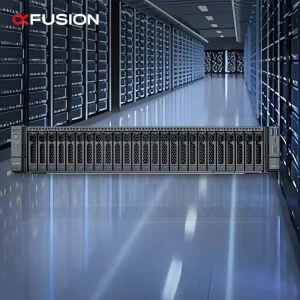
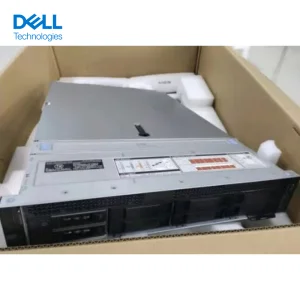
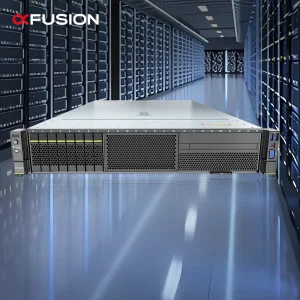
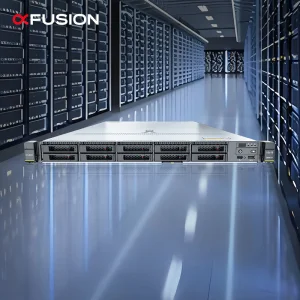
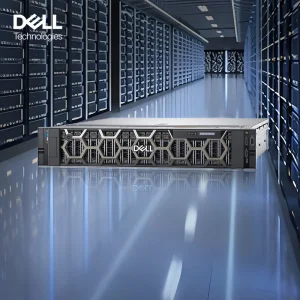
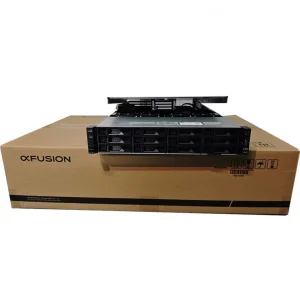
Shenzhen Tiansheng Cloud Technology Co., Ltd. offers verified, flexible customization services. The company distributes and configures high-performance enterprise server solutions. They tailor system specs using robust platforms like the xFusion FusionServer series and Dell PowerEdge models.
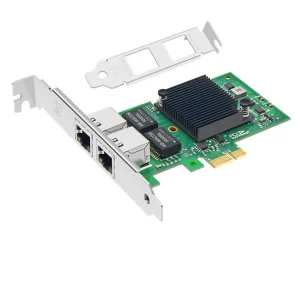
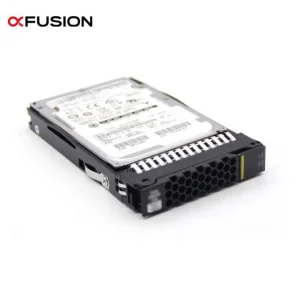
This customization process goes beyond assembling components. It involves matching computing configurations directly to your applications. For example, database operations benefit from read-intensive storage configurations like the S4520 Series SATA SSDs, while cloud storage networks are optimized using low-latency host bus adapters (HBAs) and custom configurations. This comprehensive approach ensures hardware is tuned to prevent data bottlenecks and operate efficiently under real-world workloads.
Operating server infrastructure globally requires strict adherence to regional security standards, import certifications, and environmental regulations. A server deployment that fails to meet local compliance guidelines can lead to project delays, fines, or operational disruptions. Because of this, global enterprises require hardware partners who understand the technical and regulatory requirements of their target markets.
As a verified supplier audited by Intertek, Shenzhen Tiansheng Cloud Technology Co., Ltd. ensures that all configured systems meet international quality standards. With export capabilities spanning Eastern Europe, Southeast Asia, and the Middle East, we handle complex compliance checks. This includes providing CE, FCC, and RoHS certifications where required. Our support team operates in multiple languages—including English, Spanish, Russian, French, and Portuguese—with an average response time of under 3 hours. This responsive communication helps global engineering teams quickly resolve setup and deployment issues.
Hardware needs vary significantly based on the operating environment. A system configured for containerized web hosting requires a different resource balance than one dedicated to AI training. Sourcing through custom OEM/ODM pipelines allows systems to be designed specifically for their primary workloads.
The server industry is shifting toward more modular, high-density, and energy-efficient designs. As processors continue to increase in power and core count, thermal management remains a key design challenge. Standard air cooling is reaching its physical limits, driving the adoption of liquid-to-air cooling and immersion systems. Modern OEM/ODM factories are adapting their manufacturing lines to build chassis compatible with liquid cooling manifolds, quick-release dry break couplers, and specialized high-flow internal loops.
Data transfer speeds are also advancing rapidly. Sourcing systems designed around PCIe Gen 5 and Gen 6 system architectures ensures your infrastructure can support next-generation, high-speed storage devices and network adapters. Additionally, the adoption of Compute Express Link (CXL) allows systems to pool memory and processing resources dynamically. This reduces performance bottlenecks and helps protect your hardware investment against rapid technological obsolescence.
OEM (Original Equipment Manufacturer) configurations are built based on existing brand designs. The manufacturer coordinates assembly, minor component customization, and branding adjustments (e.g. customized BIOS logos or branded bezels). ODM (Original Design Manufacturer) services involve building server platforms from the board level up, including custom physical dimensions, specialized circuit configurations, and unique power architecture designed to meet specific client requirements.
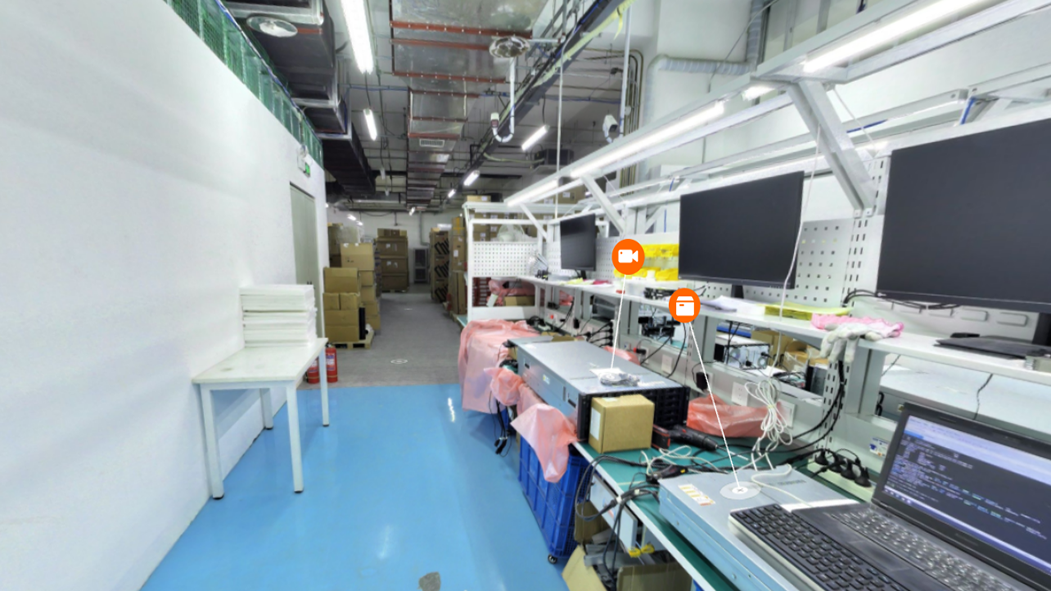
All configured hardware undergoes testing protocols, including thermal stress testing and component burn-in verification. As a verified supplier on Alibaba.com audited by Intertek, our processes comply with international distribution and safety standards. This verification helps ensure that both new and custom-configured servers meet rigorous quality benchmarks before shipment.
We provide "light customization" services that let you modify server builds to match your specific requirements. You can customize storage pools (using high-performance SATA, SAS, or NVMe SSDs), expand system memory, integrate high-capacity power supplies (up to 2000W), and install specialized controllers like the 9560-16i or 9540-8i RAID cards for enhanced data management.
We primarily export configured enterprise systems to Eastern Europe, Southeast Asia, and the Middle East. Our logistics processes are optimized to ensure secure handling, clear tracking, and compliance with the import regulations of each destination country.
 Nexa AI Server