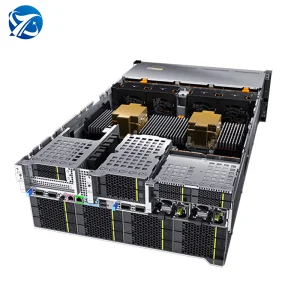
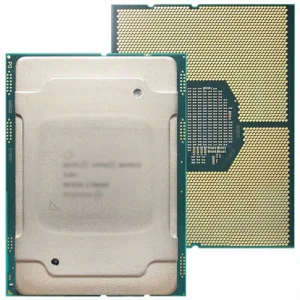
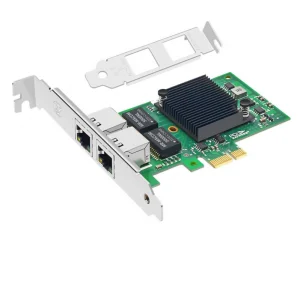
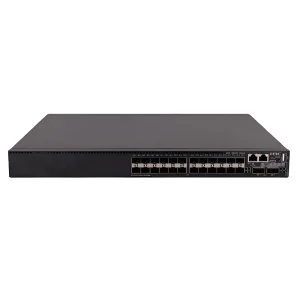
Providing high-reliability, low-latency, and customizable switches and servers configuration to meet the challenging geography and expanding digital demands of Nepalese enterprises.
Insights into the geographical, regulatory, and infrastructural dynamics driving hardware deployment in Nepal.
Nepal's telecom sector is undergoing a rapid evolution. The expansion of high-speed broadband through local Internet Service Providers (ISPs) like WorldLink, Vianet, and Classic Tech, alongside Nepal Telecom's nationwide FTTH expansion, has triggered a soaring demand for reliable L2 and L3 aggregation switches. Beyond urban hubs, remote areas require ruggedized network switch installations to withstand severe voltage fluctuations and varying thermal environments.
Moreover, the growth of the financial technology sector (including digital payment gateways, mobile banking applications, and national clearance systems) has necessitated enterprise-class datacenters. These centers demand zero-packet-loss core switches and multi-tenant cloud storage. The local market is transitioning from basic unmanaged devices to complex Layer 3 managed network switches capable of handling sophisticated traffic engineering, OSPF/BGP routing protocols, and advanced security configurations.
A primary driver for industrial network hardware in Nepal is the booming Hydropower sector. Over 100 hydro plants operate across complex river basins. These plants utilize SCADA (Supervisory Control and Data Acquisition) systems, which rely on highly resilient Industrial Ethernet Switches. Industrial-grade switches from factories serving this market must provide high MTBF (Mean Time Between Failure), support Ring Topology protocols (such as ERPS) for ultra-fast fault recovery, and withstand high-humidity environments.
ASIC-level processing ensures non-blocking wire-speed forwarding for intensive Nepalese ISP rings.
Specialized power modules built to sustain ±20% voltage variance typical in Nepal’s national grid.
Dustproof chassis design keeping performance intact even in Kathmandu’s ambient PM2.5 environments.
Navigating technology imports in Nepal requires an experienced partner. Most local system integrators lack access to direct factory-level customization. This gap often leads to buying over-provisioned or under-engineered equipment, driving up total cost of ownership (TCO).
Shenzhen Tiansheng Cloud Technology Co., Ltd. (operating as a premier hardware supplier under Nexa Technology) addresses these local gaps by providing customized enterprise servers and high-speed network switches. We configure hardware to meet the specific requirements of engineers, brand businesses, and government departments in Nepal.
Whether you are implementing automated billing databases for municipal offices or launching a private cloud infrastructure in Lalitpur, having direct access to factory-configured nodes minimizes on-site assembly problems and saves troubleshooting time.
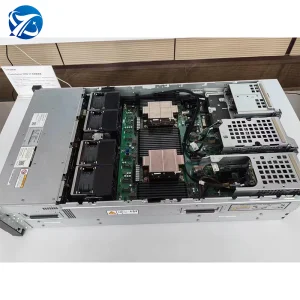
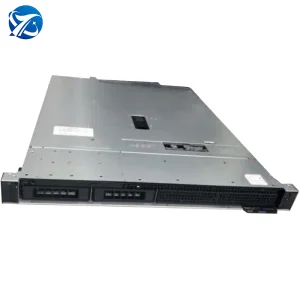
Selected hardware components and computing nodes tailored for deep learning workflows and database cluster extensions in South Asia.
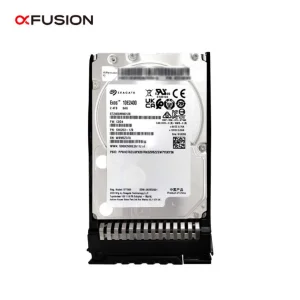
Building reliable networks in South Asia requires planning for geographical isolation, fluctuating power systems, and remote hardware management. The following architectures are optimized for Nepalese enterprises:
Traditional multi-tier networks often create latency bottlenecks for modern cloud workloads. For financial nodes in Kathmandu, we recommend a Spine-Leaf architecture. Using 10G/40G fiber aggregation switches like the H3C S6520X series allows for horizontal scaling. This architecture ensures that any server can communicate with any other server with sub-microsecond latency, keeping transaction processing delays to a minimum.
Hydropower generation stations are typically located in rugged valleys far from urban centers. Connecting these sites to central offices in Kathmandu requires a resilient network loop. By implementing ERPS (Ethernet Ring Protection Switching) protocols on our managed switches, the network can recover from fiber-link cuts in under 50 milliseconds. This ensures continuous transmission of vital control signals.
Bandwidth backhauls from remote regions like Karnali or Sudurpashchim to Kathmandu can be highly congested. Deploying edge servers (like the Dell PowerEdge or FusionServer series) alongside localized switches allows data preprocessing to occur locally. This setup conserves expensive satellite or microwave backhaul bandwidth while improving local response times.
Importing enterprise-grade networking and AI compute equipment into Nepal requires careful attention to compliance and import procedures. Our team specializes in addressing these logistical details:
Nepal's digital economy is growing, with local startups, government agencies, and research institutes beginning to explore localized AI tools, language models (LLMs) for Nepali dialects, and large-scale data processing. To support these workloads, infrastructure must upgrade from 10G/40G backbones to 100G and 400G ethernet configurations.
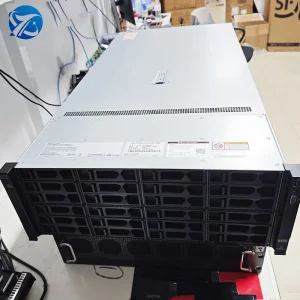
Our long-term hardware roadmap introduces high-density GPU servers (such as the FusionServer G8600 V7) designed to process large datasets. By pairing these GPU clusters with low-latency switching architectures, Nepalese organizations can build scalable private clouds ready for future computational needs.
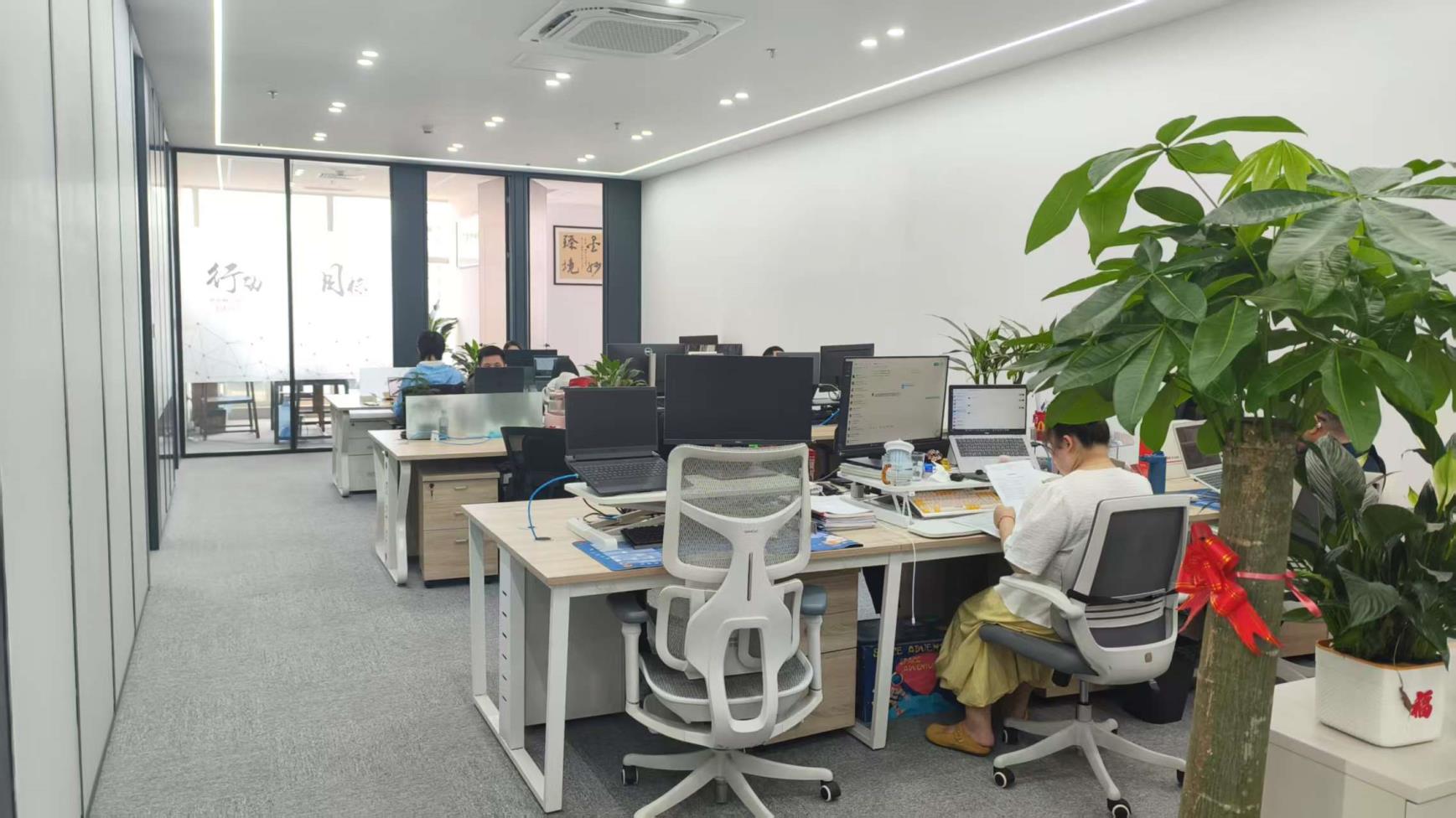
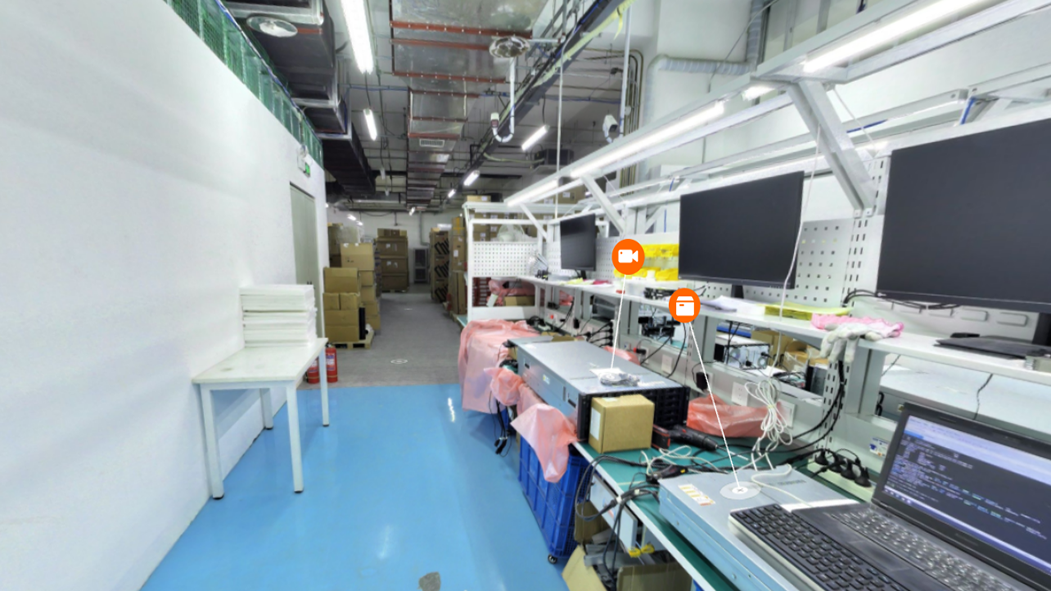
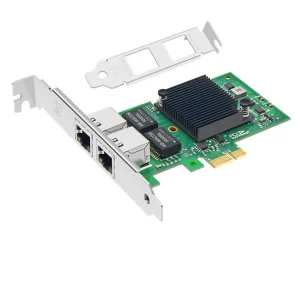
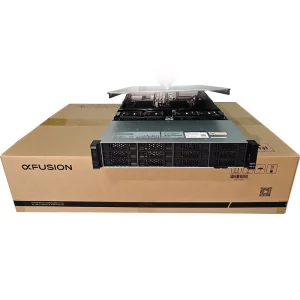
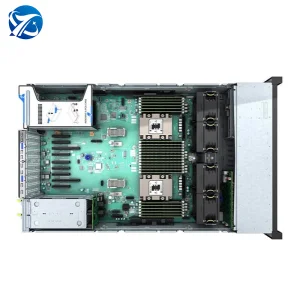
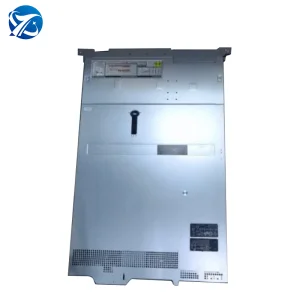
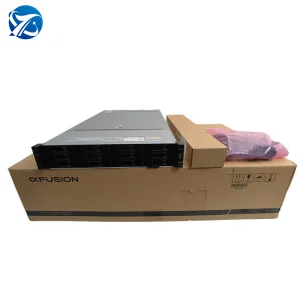
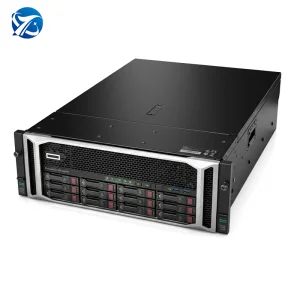
Explore our selection of verified rack servers, high-density SSD arrays, and network controller cards optimized for enterprise databases, AI training, and cloud deployments.
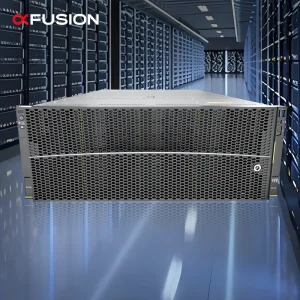

Find authoritative answers regarding product compliance, shipping to Nepal, and customization support.
 Nexa AI Server