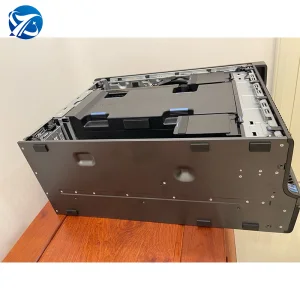
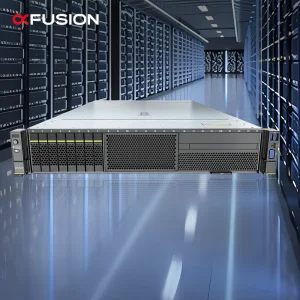
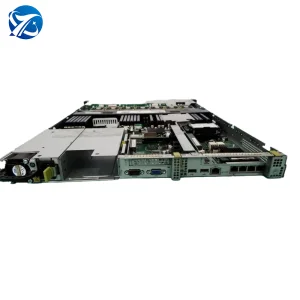
Explore our premium range of configured rack servers engineered for high compute density and reliable hypervisor orchestration.
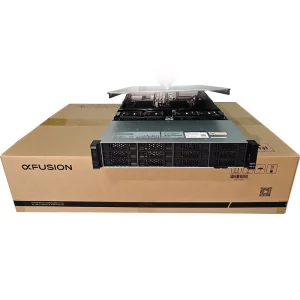
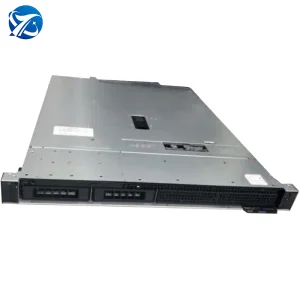
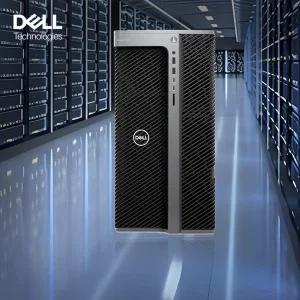
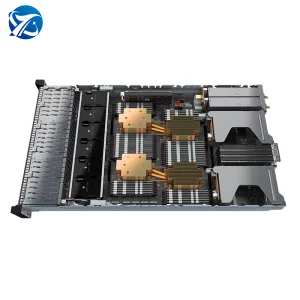
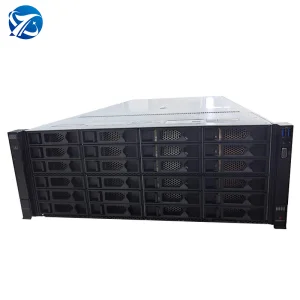
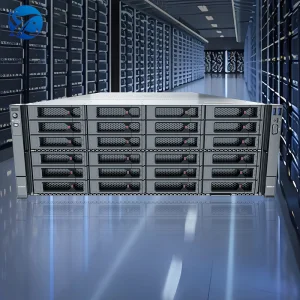
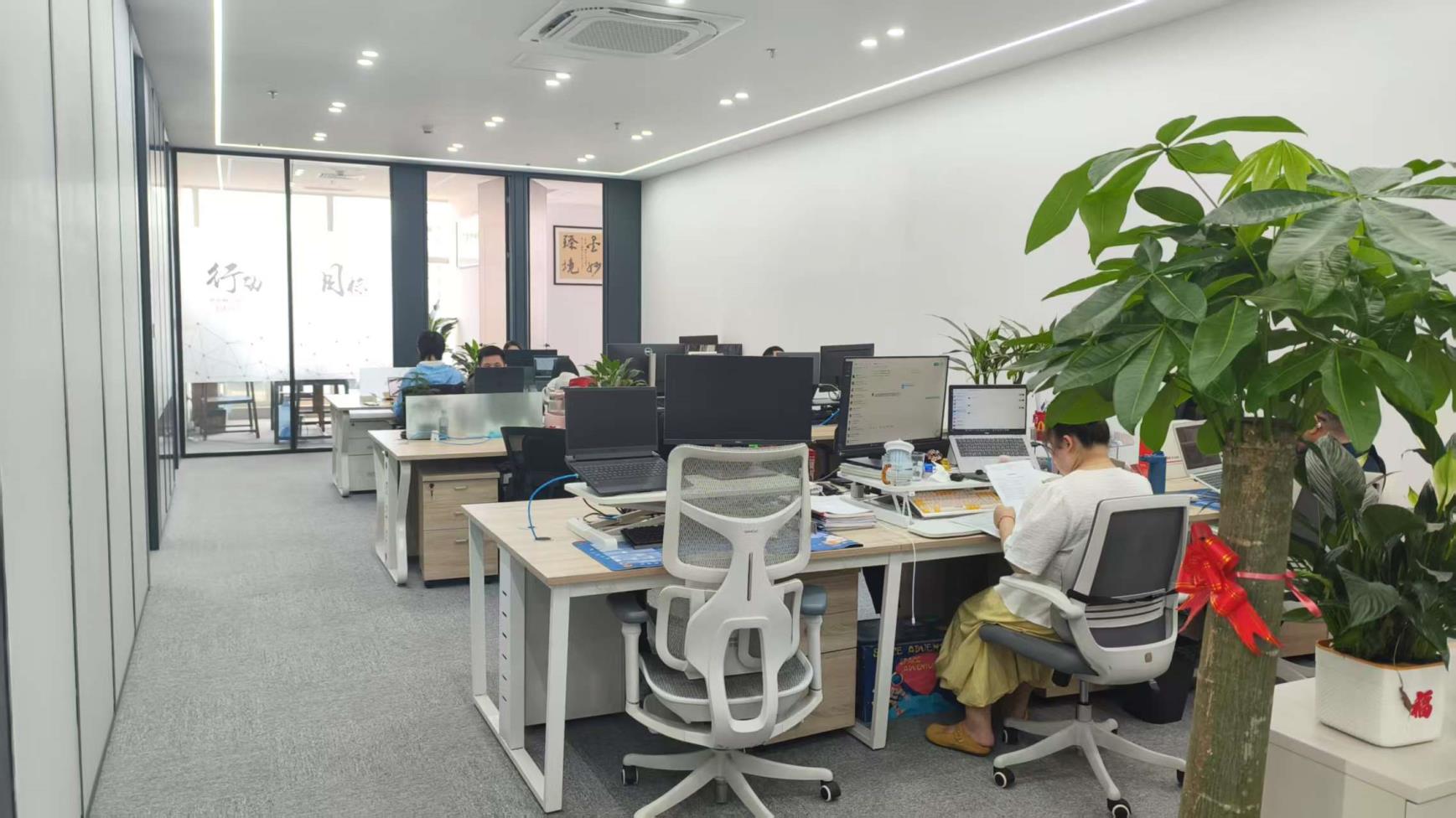
Nexa Technology Co., Ltd. (and operating partner Shenzhen Tiansheng Cloud Technology Co., Ltd.) represents the leading tier of specialized enterprise-grade hardware configuration and distribution. Established in late 2024, our operation is strategically situated in Shenzhen—the global epicenter of hardware innovation. We specialize in custom OEM virtualization platforms, complex cloud hardware configurations, and multi-tenant hosting architectures designed to fulfill the capacity demands of enterprise networks, independent data centers, and advanced artificial intelligence operations.
Verified supplier audited directly by Intertek. Backed by Trade Assurance protocols protecting procurement transactions globally.
Seamless international collaboration. Technical communication supported in English, Spanish, Russian, French, and Portuguese.
Light customization options to assemble, modify, and build custom RAM, GPU, storage, and networking arrays per client specs.
Our global presence spans critical dynamic markets including Eastern Europe, Southeast Asia, and the Middle East. By delivering premium enterprise hardware configuration services, we help companies deploy specialized hypervisors, set up complex network-attached storage (NAS) frameworks, and run large language model (LLM) clusters such as DeepSeek or proprietary neural networks.
Virtualization is the foundational pillar of modern infrastructure, driving the transition from rigid physical nodes to elastic, cloud-native containerized networks. In the current enterprise landscape, hardware efficiency dictates profitability. By utilizing hardware-level hypervisors (Type 1, running directly on the metal), companies can maximize CPU utilization, segregate resources, and lower physical footprints in colocation data centers.
With the rapid rise of AI applications and heavy database indexing, modern virtualization platforms require tighter integration between standard computing processors and discrete accelerators (GPUs, TPUs, and SmartNICs). In response to this industrial evolution, hardware manufacturers have shifted focus toward dense 2U and 4U form factors that support high TDP (Thermal Design Power) processors and multiple enterprise GPUs. This is where customized virtualization servers from tier-one providers like Dell PowerEdge and xFusion (FusionServer) deliver unmatched utility.
These servers utilize innovations like Intel VT-x and AMD-V virtualization technologies, hypervisor-direct GPU pass-through (vGPU), and Single Root I/O Virtualization (SR-IOV). Together, they minimize hypervisor overhead to achieve near-bare-metal performance levels.
As the digital ecosystem shifts toward cloud-managed software-defined infrastructure, we observe three major macro-trends shaping server virtualization development:
To support these applications, Nexa Technology configures rack servers with premium infrastructure components. These include enterprise-grade SAS controllers (such as the 9540-8i RAID PCIe 4.0 card) and high-reliability SAS HDD storage configurations ranging from 4TB up to 12TB. These parts provide the physical durability required to run VMs continuously under heavy workloads.
The requirements for virtualization deployment vary heavily based on local infrastructure dynamics. Our primary export corridors exhibit unique application needs:
Focuses on cost-effective, high-reliability configurations to power private cloud infrastructure. Refurbished and customized dual-socket Dell PowerEdge servers (R740, R750) are highly requested. These units deliver enterprise performance at a lower capital expenditure (CapEx), ideal for regional managed service providers (MSPs).
Requires dense, power-efficient virtualization setups to mitigate high electricity and colocation rates in growing tech hubs. The 1U compact configurations (like Dell PowerEdge R260/R350) and dual-socket xFusion 1288H series are popular here, offering space-saving dimensions and efficient thermal engineering.
Demands robust high-availability configurations for governmental, educational, and financial institutions. These entities favor multi-socket compute platforms (such as the 4U PowerEdge R960 or xFusion 2488H V6) configured with redundant power supplies (PSUs), hardware RAID protection, and high-speed network interfaces.
Configuring a server for enterprise virtualization involves balancing CPU processing capacity, storage bandwidth, memory access speeds, and network throughput. Below is the blueprint we use when engineering machines for virtualization workloads:
Hypervisors schedule operations across multiple physical CPU cores. For high-density consolidation, we deploy dual or quad Intel Xeon Scalable processors (like Xeon Gold series) or AMD EPYC units. High core-count processors allow administrators to provision more virtual CPUs (vCPUs) per physical core, achieving consolidation ratios of 4:1 up to 10:1.
Insufficient RAM is often the primary bottleneck in virtualization systems. Our systems utilize multi-channel DDR4 or DDR5 ECC Register memory. Configuring systems with 256GB or 512GB of RAM ensures hypervisors have enough headroom to prevent virtual machines from swapping pages to disk, maintaining optimal system performance.
Running multiple virtual machines on a single storage array causes a high level of random disk access, commonly called the "I/O blender effect". To prevent storage bottlenecks, we design arrays using high-IOPS solid-state storage or SAS drives managed by dedicated RAID controllers (like the LSI SAS 9540-8i). This setup provides robust data caching, fast read/write speeds, and reliable hardware-level data redundancy.
To prevent bottlenecks at the network interface, virtualization servers must support advanced offloading technologies. Utilizing SR-IOV (Single Root I/O Virtualization) bypasses the software hypervisor layer to route network traffic directly to VMs. This significantly reduces latency and minimizes CPU overhead on host servers.
In-depth, expert-level technical answers addressing server deployment, hardware customization, and virtualization configuration.
Browse our selection of performance parts, rack units, and expansion cards designed for 24/7 mission-critical operations.
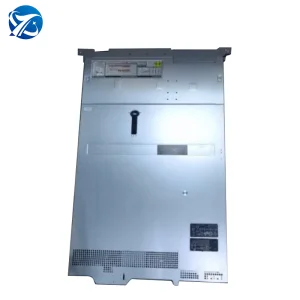
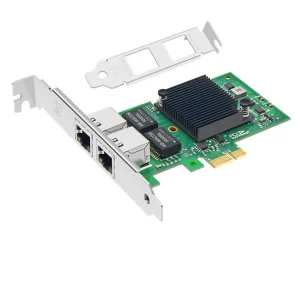
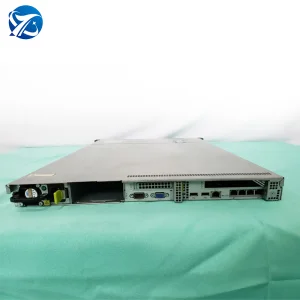
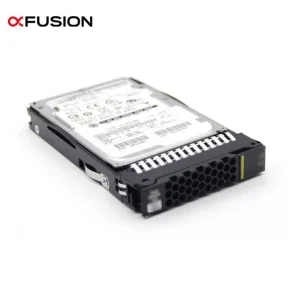
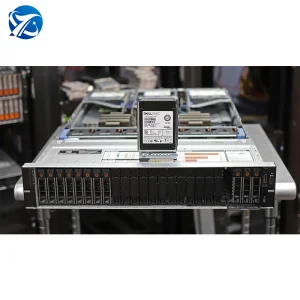
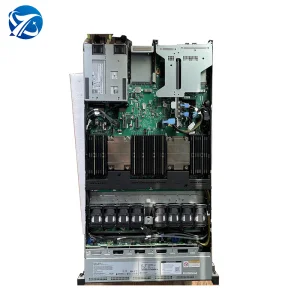
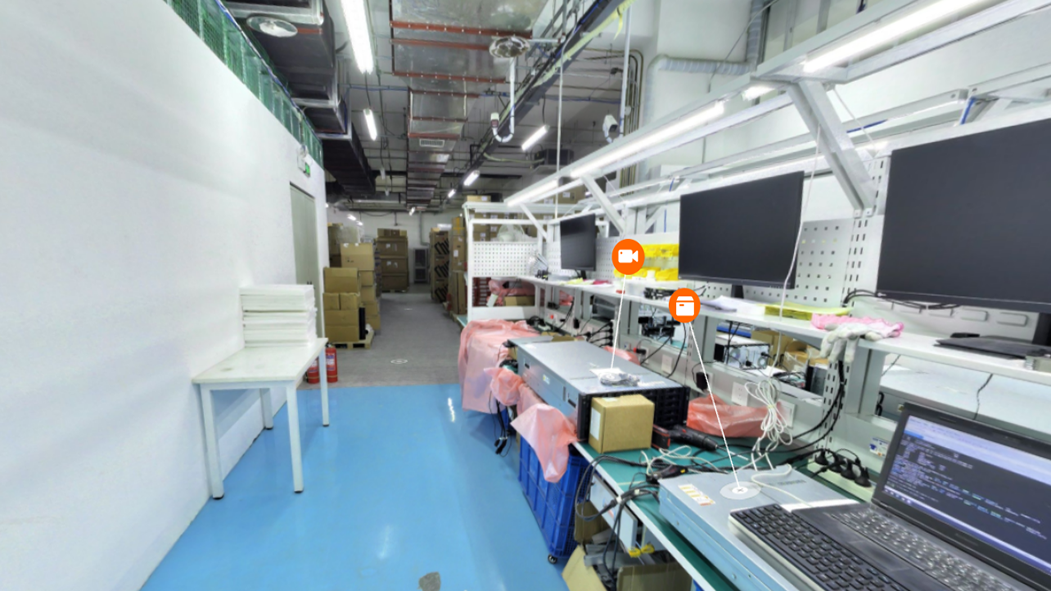
We work with global compliance organizations like Intertek to audit, verify, and document our hardware configurations, testing labs, and distribution routes.
 Nexa AI Server