Explore our premium range of industrial processors, custom AI servers, and scalable cloud compute frameworks tailored for global enterprises.
As the digital economy shifts toward hyper-scale data centers, artificial intelligence inference, and high-performance computing (HPC), Central Processing Units (CPUs) and their hardware carriers remain the foundation of global architecture. Selecting the appropriate CPU supply chain, assembly configurations, and factory partners in China has transitioned from a basic procurement task to a critical corporate strategy. The dynamics of manufacturing nodes, OEM capabilities, and hardware customization define the efficiency limits of next-generation enterprise clouds.
China's hardware ecosystem, centered in global technology hubs like Shenzhen, acts as a primary aggregator for computing power. The proximity of structural fabs, system-on-chip (SoC) integration centers, and verified custom-configuration partners enables rapid deployment that traditional supply chains struggle to match. At Shenzhen Tiansheng Cloud Technology Co., Ltd. (Nexa Technology Co., Ltd.), we leverage these advantages to provide tailored systems that bridge the gap between chip level components and ready-to-run cluster deployments.
To build efficient server architectures, engineers and buyers must understand the differences between current processing architectures. Choosing the right architecture directly impacts instruction execution efficiency, virtualization density, and thermal dissipation requirements.
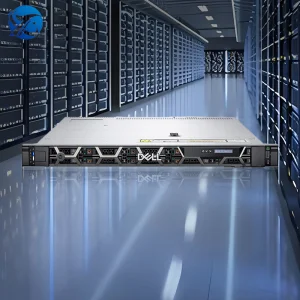
Optimized for enterprise databases and memory-intensive workflows. Intel Xeon 6th Generation platforms deliver improved instructions per cycle (IPC) with up to 144 cores, supporting up to 6400 MT/s DDR5 RAM. This architecture is standard in Dell PowerEdge and FusionServer architectures.
Designed for high core density and low power consumption. ARM-based processors are increasingly used in cloud-native workloads, microservices, and containerized deployments, providing a balanced performance-per-watt ratio.
Next-generation computing relies on data throughput. With Compute Express Link (CXL) and PCIe Gen5 interfaces, modern CPU setups can directly access shared accelerators and pooling memories, reducing latency in large-scale AI applications.
| Server Model Class | Processor Compatibility | Max Memory Capacity / Speed | PCIe Lanes / Expansion | Primary Industrial Workload Target |
|---|---|---|---|---|
| Dell PowerEdge R960 | Intel Xeon Scalable Gen 4/5 | Up to 16TB DDR5 (6400 MT/s) | Up to 64 PCIe 5.0 Lanes | Enterprise Database, ERP, Mission-Critical Apps |
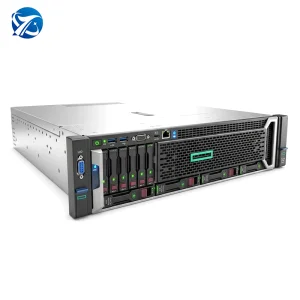
| HPE ProLiant DL360 Gen12 | Intel Xeon 6 (Up to 144 Cores) | 8TB DDR5 / 6400 MT/s | 3x GPU Acceleration Slot Support | Edge Compute, High-Density AI Inference |
| FusionServer 1288H V7 | Dual Socket Intel Xeon (4410Y/etc) | 4TB DDR5 / 4800 MT/s | Multiple Gen5 Riser Slots | Virtualization, High Density Cloud Hosting |
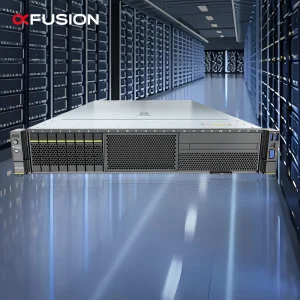
| xFusion 2258 V7 GPU Node | Intel Xeon Dual-Socket optimized | Up to 8TB DDR5 RAM | Dedicated AI Accelerator Bus | LLM Training (DeepSeek), AI Data Modeling |
Global computing infrastructure faces a primary challenge: power efficiency. As data centers consume a growing share of the global energy supply, modern server procurement cannot focus solely on silicon raw speed. It requires a balanced approach that combines high-performance chipsets with efficient power management and advanced thermal solutions.
Training large language models or running real-time AI inference requires highly integrated CPU-GPU systems. The CPU acts as the orchestrator, managing data pre-processing, storage queries, and memory paging before offloading tensor-heavy math calculations to GPU accelerators. Systems like the FusionServer G5200 V7 and xFusion 2258 V7 are specifically configured to maximize data throughput between Intel Xeon processors and GPU clusters, reducing bottleneck latency.
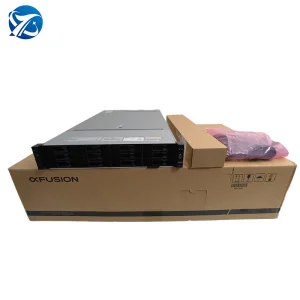
Modern IT departments are shifting away from dedicated servers for single applications. Instead, they use hyperconverged nodes to combine compute, storage, and networking into a single framework. The xFusion Hyperconverged Infrastructure 2U 288H V6, equipped with Xeon processors and scalable storage controllers, allows IT administrators to deploy dozens of virtual machines on a single node, maximizing hardware utilization.
Data-centric businesses require rapid access to storage pools. High-density servers equipped with multi-core processors, such as the Dell PowerEdge R260 and xFusion 1U configurations, provide the processing power needed to handle network protocols, data deduplication, and real-time encryption without impacting client access speeds.
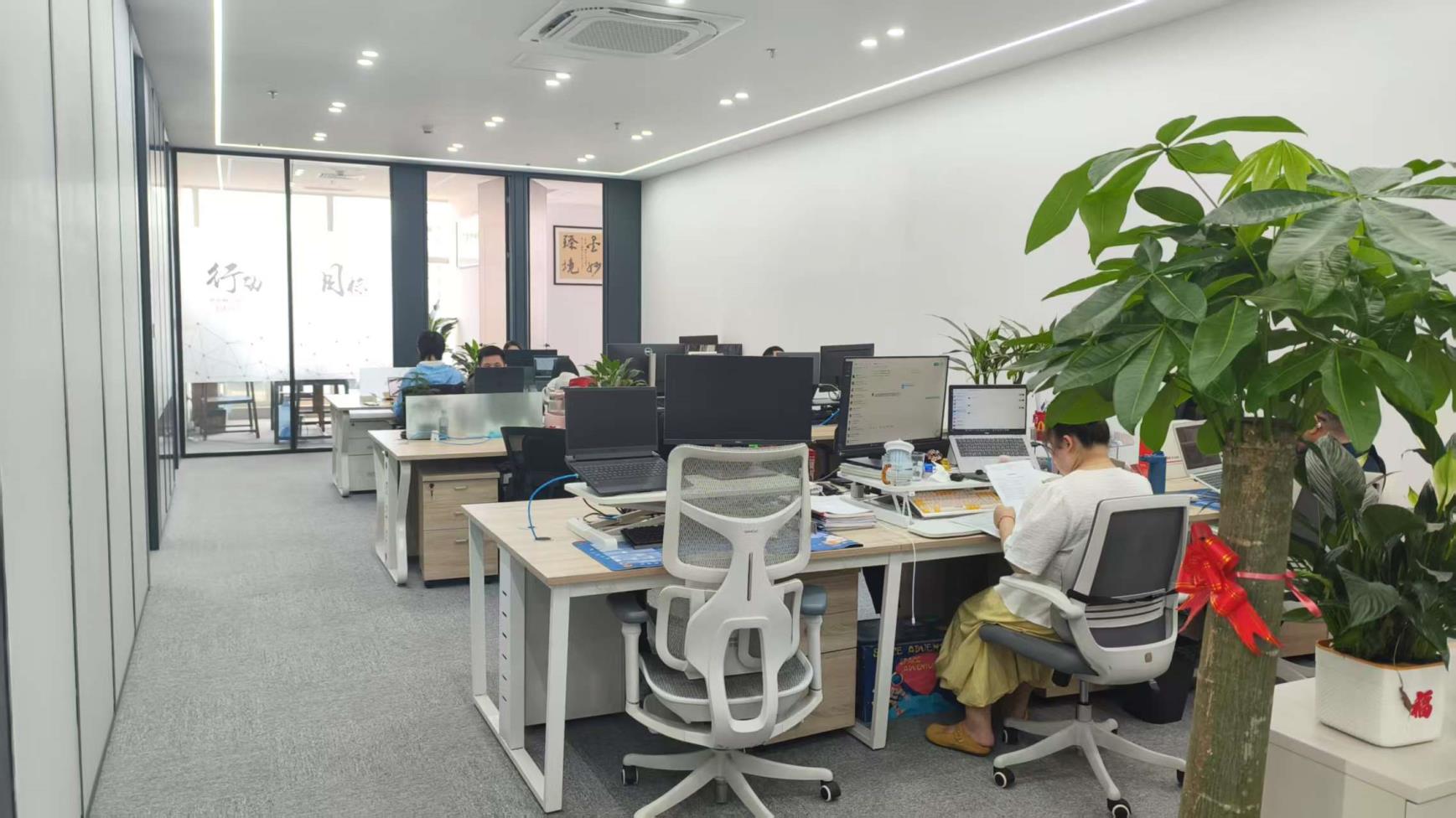
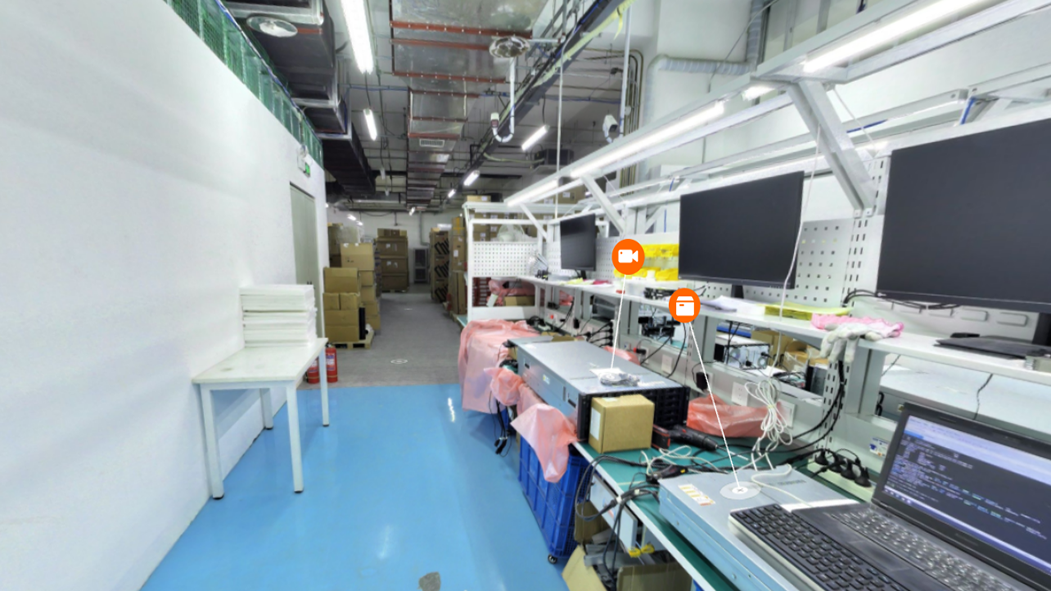
Established in late 2024, Shenzhen Tiansheng Cloud Technology Co., Ltd. (Nexa Technology) is a verified supplier operating on Alibaba.com, specialized in distributing and configuring enterprise-grade hardware. Our focus is on providing reliable computing hardware to a global clientele, including wholesalers, system integrators, brand businesses, and hardware engineers.
In the enterprise hardware sector, reliability is critical. Unplanned server downtime can result in significant operational losses. To ensure hardware reliability, all server systems and components provided by Nexa Technology are audited by Intertek, an international inspection organization. This audit verifies that our structural components, configurations, and logistics processes meet strict international quality and safety standards.
Every IT environment has unique requirements. A standard off-the-shelf server configuration may not provide the optimal balance of resources for specialized workloads. We offer light customization services, enabling buyers to specify the components their applications require:
The CPU and server manufacturing industries are undergoing significant structural changes. Over the next five years, several key technological shifts will redefine how hardware is designed, manufactured, and deployed:
As traditional silicon scaling reaches physical limits, manufacturers are moving toward chiplet architectures. By connecting multiple specialized silicon dies on a single substrate, chipmakers can combine processing, memory interfaces, and high-speed I/O components from different manufacturing nodes. This modular design helps improve yields and reduce production costs for complex, high-core-count processors.
Modern high-density processors and GPU accelerators generate significant heat, with TDPs exceeding 350W per socket. Traditional air-cooling systems struggle to dissipate this thermal load efficiently, leading to increased power consumption for fans and climate control. Next-generation server chassis are increasingly designed with liquid-to-chip cooling loops or immersion-ready materials, allowing data centers to reduce their Power Usage Effectiveness (PUE) metrics and lower overall operational costs.
High-performance computing requires low-latency, high-bandwidth communication between nodes. Silicon photonics—using light signals instead of electrical currents to transmit data—is poised to replace traditional copper traces for long-distance board runs. Combined with memory pooling standards like CXL, future servers will be able to share dynamically allocated pools of memory and storage across racks, reducing hardware idling and improving efficiency.
Find detailed answers to common inquiries regarding enterprise hardware, customization options, and global supply logistics.
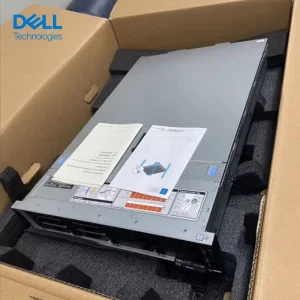
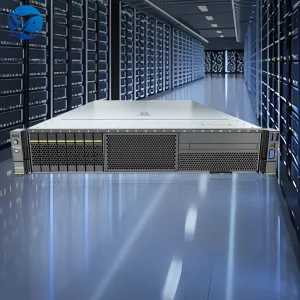
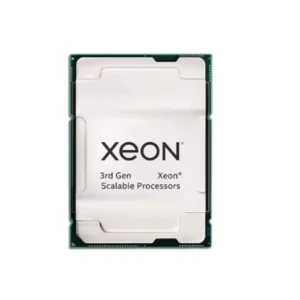
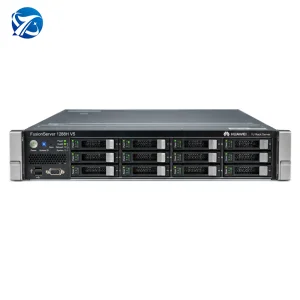
Browse our range of high-performance rack servers and server accessories, designed to maintain operational stability for enterprise workloads.
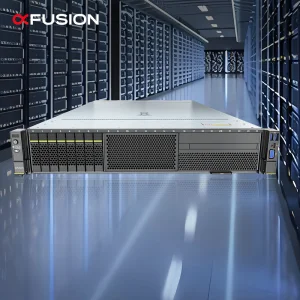
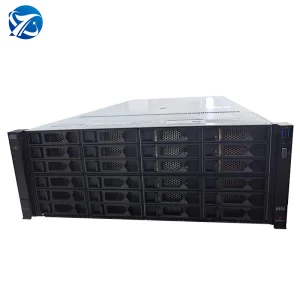
 Nexa AI Server