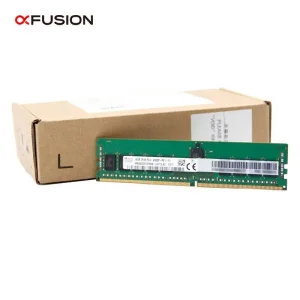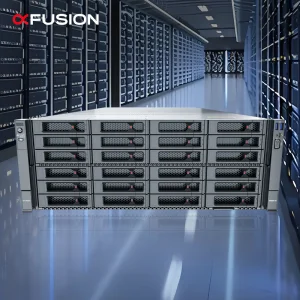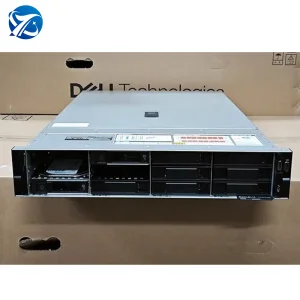
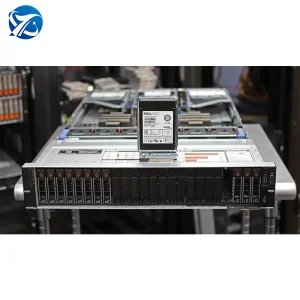
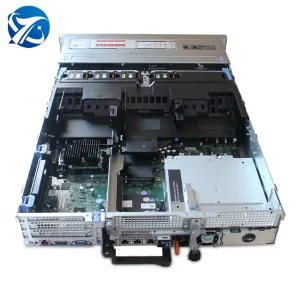
For multinational enterprises, financial institutions, and edge computing datacenters, deploying IT infrastructure across the European Economic Area (EEA) demands absolute alignment with safety, electromagnetic compatibility, and ecological directives. The CE mark (Conformité Européenne) is not merely a regulatory formalization; it acts as a baseline guarantee that hardware systems will run safely under peak load without introducing electrical hazards or operational interference.
In modern enterprise setups—housing thousands of server nodes equipped with dual-socket processors like the Intel Xeon or AMD EPYC platforms—electromagnetic interference (EMI) is a major hazard. CE compliance verifies that hardware suppliers meet the requirements of the Electromagnetic Compatibility Directive (2014/30/EU) and the Low Voltage Directive (2014/35/EU). These standards ensure that transient voltage surges, harmonic distortions, and radiative emissions do not compromise network switches, localized SAN arrays, or security appliances sharing the same power distribution units (PDUs).
As data center requirements shift toward higher power density (such as 4U rackmount servers exceeding 1500W power supplies), validation under the EU Eco-design directive (specifically ErP Lot 9 regulations for enterprise servers) becomes imperative. These environmental guidelines dictate stricter power supply unit (PSU) efficiencies, requiring Titanium-level operation curves and minimal standby consumption. Suppliers like Shenzhen Tiansheng Cloud Technology Co., Ltd. (Nexa Technology) specialize in delivering fully customized and certified server configurations that meet these exact legislative demands, facilitating smooth international customs clearance and local data facility audits.
The deployment of enterprise IT hardware is no longer centralized to traditional, climate-controlled primary datacenters. Diverse application architectures require tailored server parameters to perform consistently in varied operational environments:
Operational Insight: When planning for edge-datacenter layouts, environmental constraints such as operating temperature limits, humidity index ranges, and structural vibration metrics must be balanced against raw server core densities to ensure long-term hardware reliability.
The global electronics supply chain relies heavily on industrial hubs that bring raw component sourcing, high-precision assembly, and testing processes into close proximity. The Shenzhen hardware manufacturing district is a prime example of this integrated model, housing component producers, silicon packaging plants, and specialized server integrators.
Shenzhen Tiansheng Cloud Technology Co., Ltd. (Nexa Technology) leverages this ecosystem to deliver agile, cost-efficient, and highly reliable IT infrastructure solutions. Key logistics and integration advantages include:
The demands of machine learning models and high-performance computing (HPC) are driving changes in standard 2U and 4U chassis architectures. Industry developments are centered around three main technical areas:
Standard air-cooling setups struggle to manage the thermal profiles of processors exceeding 350W TDP and high-density GPU accelerators. Solutions like the HPE ProLiant Compute DL360 Gen12 Liquid Cooling servers use liquid-to-air loop integrations to lower power usage effectiveness (PUE) ratios, reduce cooling system wear, and optimize datacenter operating acoustics.
The deployment of PCIe Gen 5 structures doubles the bandwidth capacity per lane compared to PCIe 4.0 platforms, allowing server modules to feed data to modern AI accelerator cards and NVMe storage systems without bottlenecks. This layout is critical for low-latency memory clustering (CXL - Compute Express Link), enabling shared system memory pools across distinct physical nodes.
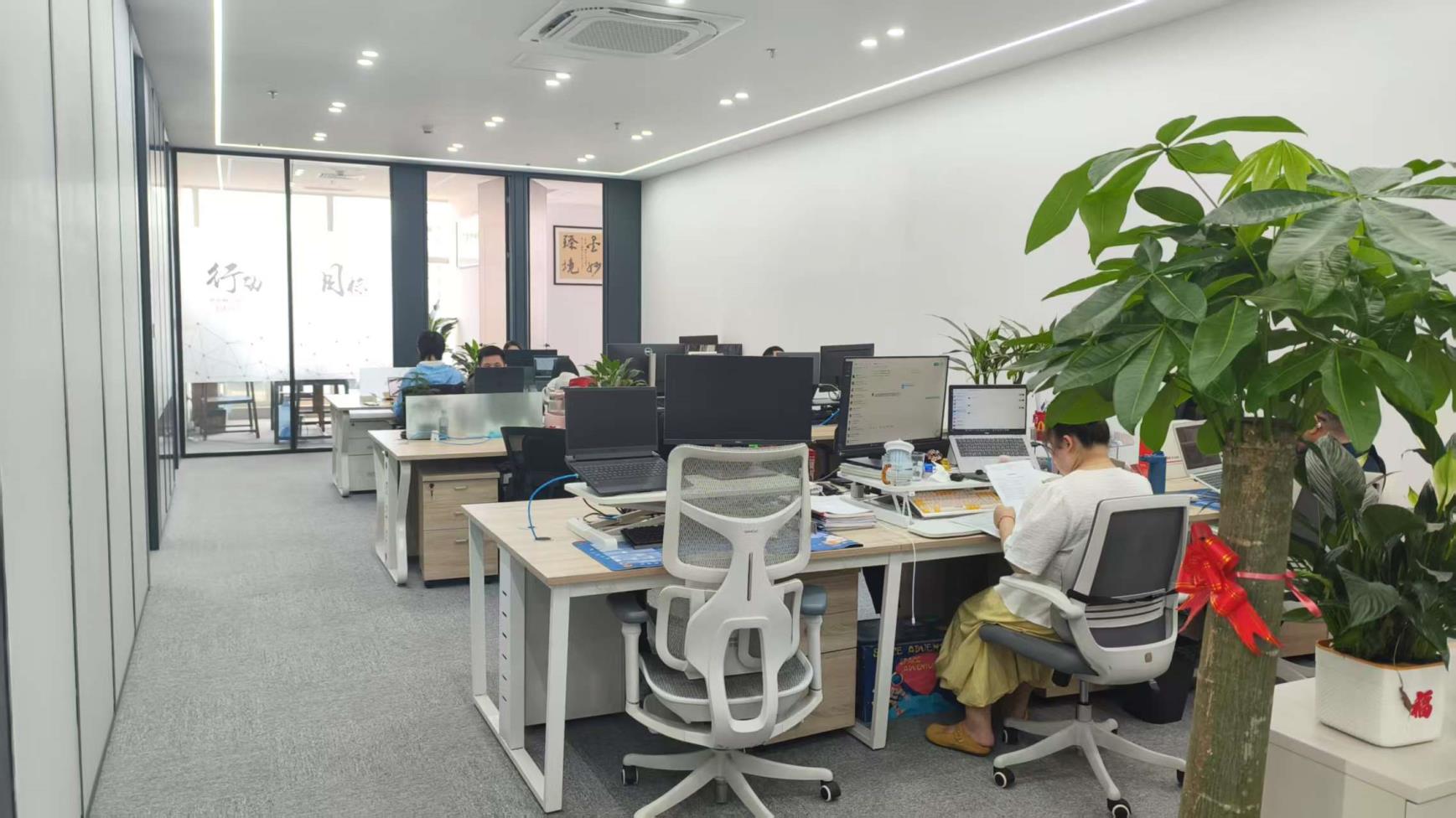
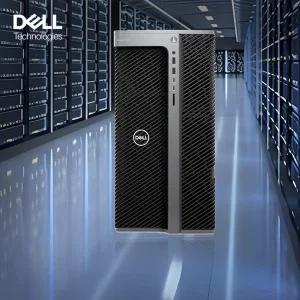
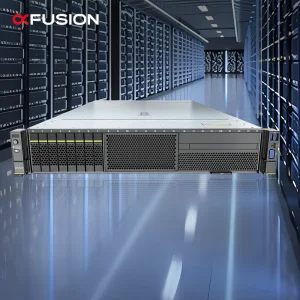
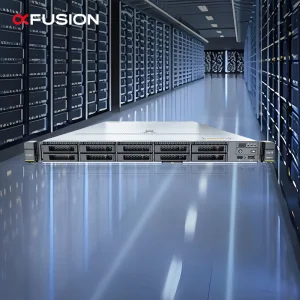
Shenzhen Tiansheng Cloud Technology Co., Ltd. (Nexa Technology) operates as a verified hardware supplier on Alibaba.com. Specializing in high-performance enterprise systems, the company provides customized configuration and distribution services designed for international environments.
The company’s quality assurance workflow is designed to verify hardware performance prior to dispatch:
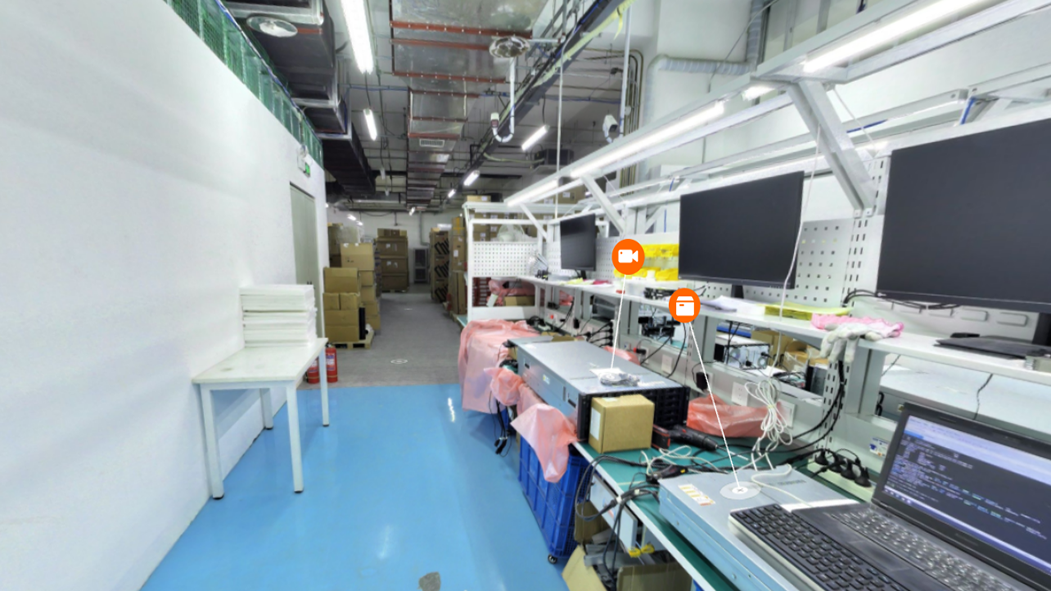
 Nexa AI Server