Nexa AI Server
Whitepaper: Strategic Storage & Compute Architecture in Peru's Digital Era
In the current macroeconomic landscape, South American enterprises are undergoing rapid digital transformation. As Peru emerges as a critical digital hub on the Pacific coast, the demand for enterprise-grade data storage, high-performance computing (HPC) nodes, and localized server configurations has reached unprecedented levels. Navigating this demand requires an alignment of local regulatory frameworks, complex industrial environments, and cutting-edge hardware architecture. This whitepaper analyzes the storage manufacturing ecosystem, focusing on the specific deployment requirements of the Peruvian market.
“Digital transformation in the Andean region demands more than off-the-shelf hardware. It requires high-density computing platforms configured for seismic stability, high altitudes, and compliance with the Superintendencia de Banca, Seguros y AFP (SBS) regulatory standards.”
1. The Macro Industrial Storage & Compute Status in Peru
Peru's economic landscape is unique, driven by massive mining complexes, a rapidly digitizing banking sector in Lima, and growing agricultural logistics networks along the coast. Each of these industries presents distinct technical hurdles for IT infrastructure:
Mining and Extractives (High Altitude & Edge Deployment)
Peruvian mining operations, localized in high-altitude regions like Arequipa, Cajamarca, and Ancash (often exceeding 4,000 meters above sea level), operate under challenging atmospheric conditions. Low air density reduces the cooling efficiency of standard server fans. Consequently, server storage platforms must be engineered with advanced thermal dissipation pathways, high-reliability SSD storage (such as NVMe enterprise drives), and robust ECC memory configurations. These systems prevent data corruption caused by cosmic radiation—a phenomenon significantly more pronounced at high altitudes.
Financial Services (SBS Compliance & Low Latency)
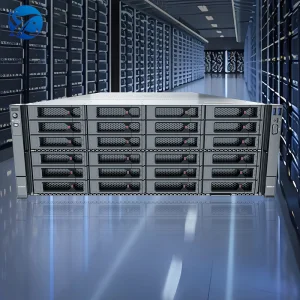
Lima's financial sector is strictly regulated by the SBS. Financial institutions are mandated to maintain local data redundancy, active-active backup systems, and comprehensive audit trails. This necessitates high-capacity enterprise storage nodes that can guarantee continuous availability. Transitioning from legacy hard drives to high-speed NVMe PCIe SSD configurations (such as the PM9A3 and EP600 series) ensures compliance with strict data access SLA targets.
Agricultural Logistics & Supply Chain Tracking
Peru's agro-export sector relies heavily on real-time cold-chain monitoring, GPS telemetry, and IoT database storage. Processing these massive, continuous streams of structured and unstructured data demands scalable NAS (Network Attached Storage) arrays and hybrid storage servers configured with high-capacity expansion bays.
2. Specialized AI and Deep Learning Compute Architectures in South America
The global surge in artificial intelligence models, including DeepSeek and high-throughput GPU training environments, has shifted the hardware demand from basic storage nodes to GPU-accelerated computing platforms. Historically, sourcing these systems in South America was hindered by long lead times and high import costs.
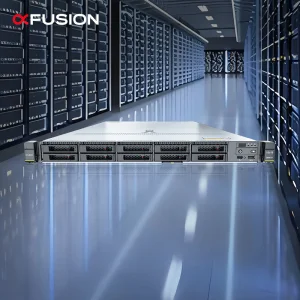
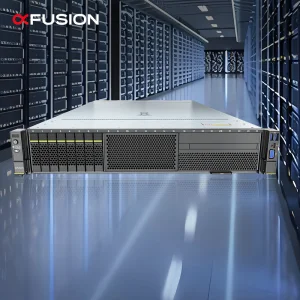
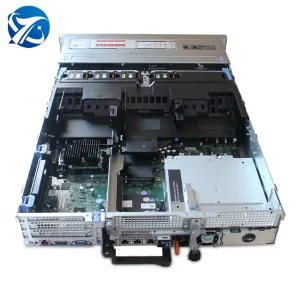
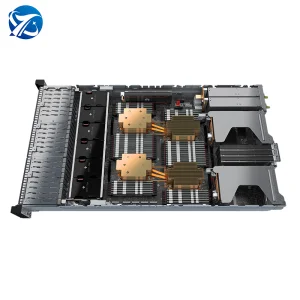
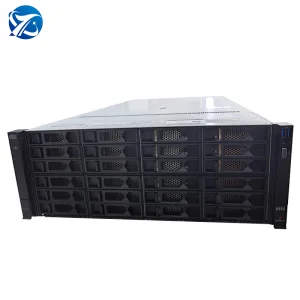
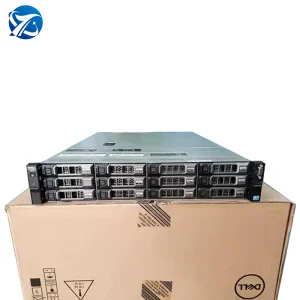
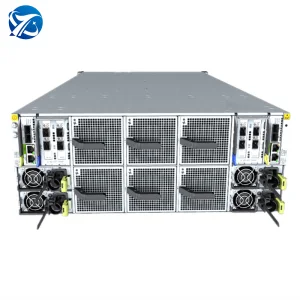
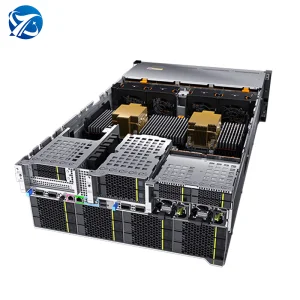
Shenzhen Tiansheng Cloud Technology Co., Ltd. (operating as Nexa Technology Co., Ltd.) addresses this gap by offering light customization services. We configure xFusion FusionServer systems and Dell PowerEdge rack configurations with additional GPU acceleration cards, expanded DDR4 ECC RAM, and high-performance NVMe storage. This architecture enables local institutions in Peru—ranging from universities conducting geological modeling to regional fintech firms—to leverage high-performance computing (HPC) without local development bottlenecks.
3. Technical Roadmap: From DDR4 RDIMMs to Next-Gen Enterprise Storage
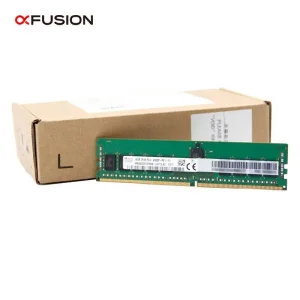
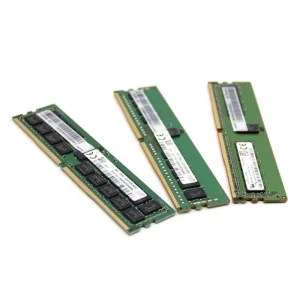
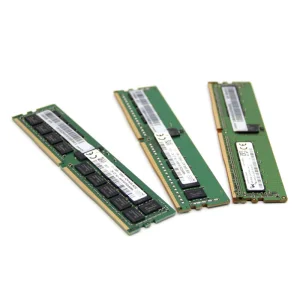
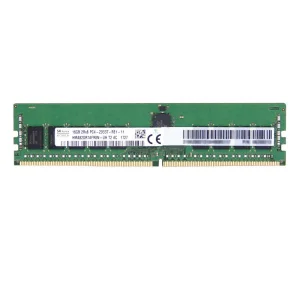
For organizations planning IT lifecycle investments in Peru, understanding the technology roadmap is crucial for future-proofing hardware acquisitions. Current enterprise setups utilize 288-pin DDR4 RDIMM modules operating at 3200MHz. These modules provide the error-correction code (ECC) capabilities necessary for multi-socket systems. As workloads transition towards DDR5 and PCIe Gen 5 architectures, current DDR4 configurations remain the most cost-effective and structurally stable options for regional datacenters, striking a balance between budget and high-density performance.
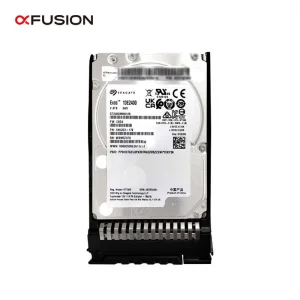
In SSD storage, the transition to NVMe PCIe interfaces is replacing legacy SAS/SATA drives. The PM9A3 and EP600 SSD series offer read-dense and hybrid read-write capabilities. These drives are designed to handle mixed enterprise workloads, featuring built-in power-loss protection (PLP) to safeguard data integrity against sudden power grid fluctuations, a common challenge in remote industrial sectors across Peru.
4. Global Supply Chain Integration & Verification
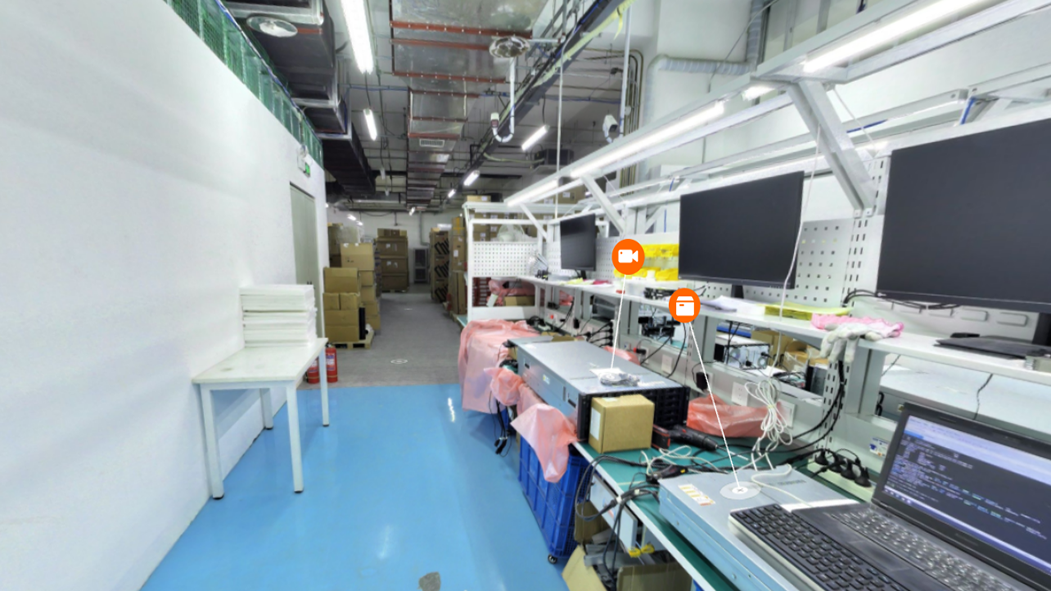
Deploying server infrastructure to Peru involves navigating international trade logistics, customs clearance, and quality assurance. Shenzhen Tiansheng Cloud Technology Co., Ltd., as an Alibaba.com verified supplier audited by Intertek, implements strict quality control protocols for refurbished and custom-configured systems. This verification ensures that every server—whether a Dell PowerEdge R960 4U rack server or an xFusion 2U computing node—undergoes component-level diagnostics, firmware updates, and stress-tests before leaving the facility.
To mitigate risk, Trade Assurance protects buyer transactions from manufacturing to port arrival in Callao. Coupled with a customer support response time of under 3 hours in multiple languages (including Spanish and English), organizations receive end-to-end guidance on import requirements, hardware documentation, and deployment support.