High-performance network switches and unified server hardware designed to support optical distribution, ultra-low latency computing, and large-scale enterprise setups across the Hanoi and Ho Chi Minh City corridors.
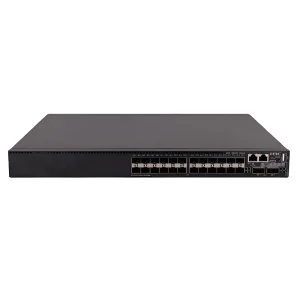
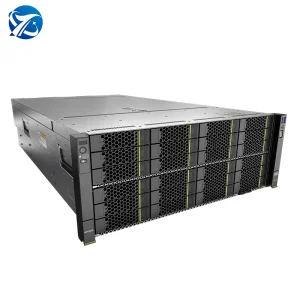
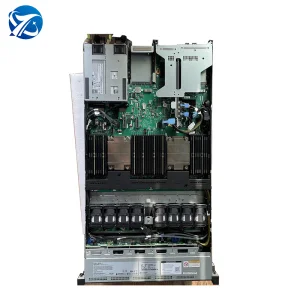
Vietnam's digital landscape is undergoing an unprecedented expansion. Under the national master plan for digital transformation, industrial parks throughout key economic regions—such as Binh Duong, Dong Nai, Bac Ninh, and Hai Phong—are transitioning to Smart Factory standards. This transition has triggered an exponential demand for robust networking hardware, specifically managed enterprise core switches and high-speed fiber aggregation systems. High-reliability networking forms the foundational backplane for industrial automation, IoT monitoring, and secure manufacturing execution systems (MES).
Concurrently, the growth of tier-3 and tier-4 data centers in Hanoi and Ho Chi Minh City by major telecommunications companies (FPT, Viettel, VNPT) requires high-density switches with advanced Layer 3 routing protocols, such as OSPF and BGP, alongside deep telemetry. Local system integrators demand hardware that can operate reliably under harsh tropical conditions, requiring switches with smart cooling layouts, high MTBF ratings, and redundant power supplies.
Deployments in Vietnam must adhere to rigorous TCVN standards. Reliability isn't merely about bandwidth; it's about resilient topologies. Ring-network architectures utilizing ERPS (Ethernet Ring Protection Switching) are frequently deployed to guarantee sub-50ms recovery times in critical industrial zones.
Procuring enterprise-grade networking switches directly from manufacturing hubs in China provides significant efficiency advantages for projects operating within Vietnam. Located in Shenzhen, the silicon capital of the world, our supply chain maintains direct access to premium chipsets, optical components, and precision chassis fabrication. This eliminates secondary warehousing markups and dramatically shortens lead times for custom layouts.
Whether a Vietnamese enterprise requires specific PoE+ power budgets (e.g., 370W or 740W for outdoor surveillance networks) or precise optical module transceivers (10G SFP+, 40G QSFP+), custom configurations can be quickly assembled, updated with current firmware, and fully performance-tested before shipment. This agility ensures that system integrators in Da Nang or Ho Chi Minh City receive project-ready switches without the typical delays associated with Western hardware supply lines.
Logistical Simplicity: Due to proximity, shipping from Shenzhen factories to Vietnamese hubs such as Lang Son, Hanoi, or Haiphong Port is highly efficient. Land transport options and direct maritime lines reduce standard shipping times to a fraction of typical international logistics, ensuring hardware is delivered directly to data center deployment sites exactly when needed.
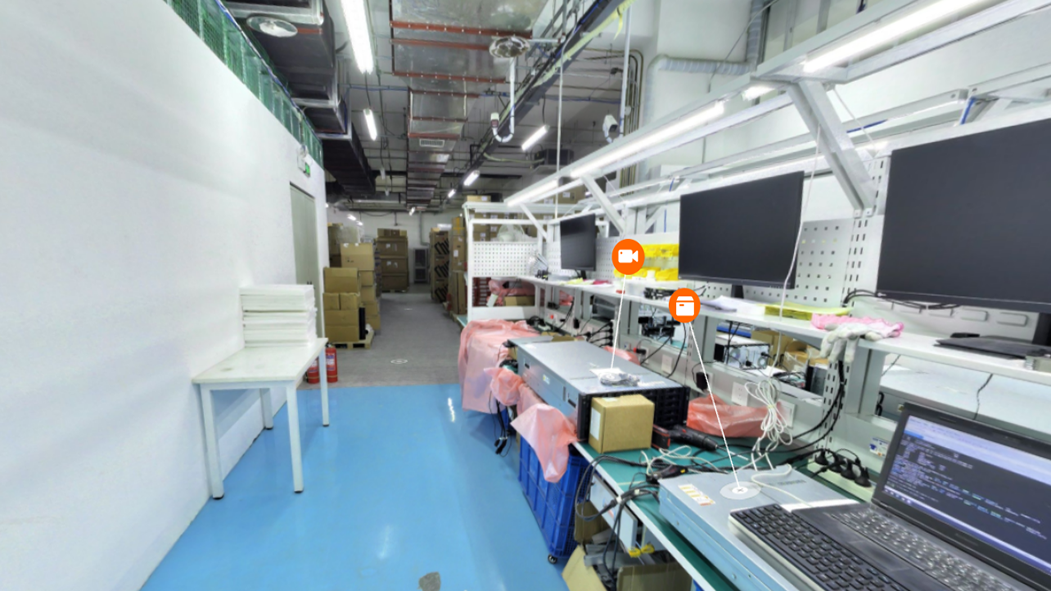
Every switch and configured rack unit undergoes a comprehensive testing protocol prior to logistics clearance:
In industrial hubs like Binh Duong and Bac Ninh, managed Layer 2 switches and Layer 3 core switches facilitate deterministic communication protocols. These units manage large volumes of PLC data, robotics inputs, and real-time environmental sensors, isolating broadcast domains via VLANs to prevent operational downtime.
As Vietnam rolls out localized 5G networks, telecom edge nodes require ultra-low latency data transfer. Using high-bandwidth optical switches, local carriers aggregate backhaul traffic from wireless base stations directly to urban core routing setups, maintaining throughput in dense metropolitan areas.
Large research projects and digital service providers in Hanoi are setting up localized GPU clusters for deep learning and AI-assisted analytics. High-capacity switches paired with robust compute servers prevent bottlenecks, facilitating fast data throughput for modern AI operations.
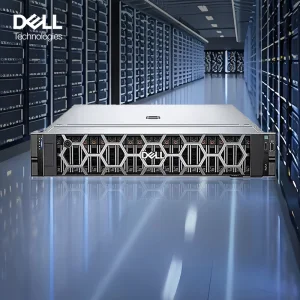
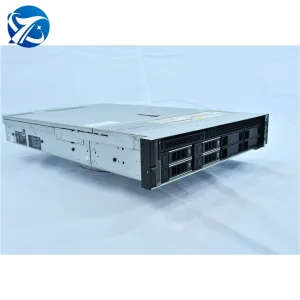
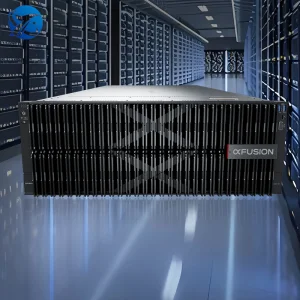
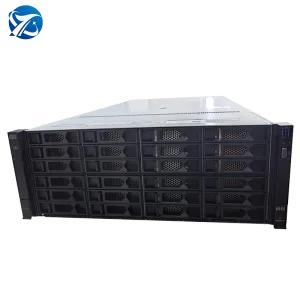
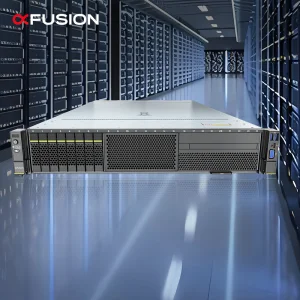
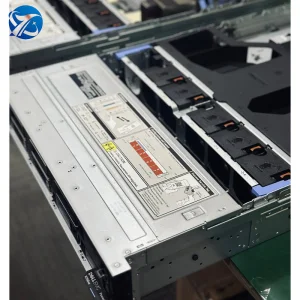
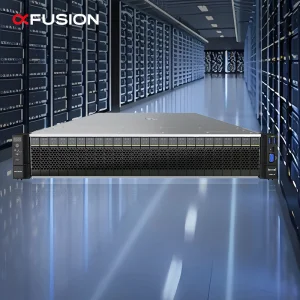
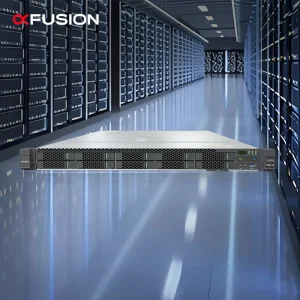
Discover enterprise server systems and dedicated storage solutions configured to operate alongside high-speed network topologies for reliable processing and distribution.
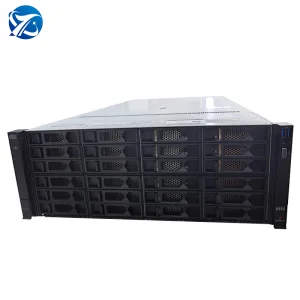

Designing an enterprise network within modern manufacturing environments requires a clear understanding of Layer 2 (Data Link) and Layer 3 (Network) hardware. Selecting appropriate switches directly impacts data isolation, latency control, and future scalability.
Layer 2 switches operate at the MAC address level, managing traffic within a single broadcast domain. For factory floors in Hanoi, these units connect IP security cameras, HMI panels, and localized PLCs. Important L2 features include:
Layer 3 switches function as the core brain of the campus network. They process IP routing tables directly in hardware ASICs, enabling routing between VLANs at wire speed. In modern operations, relying on a router for inter-VLAN traffic creates performance bottlenecks; L3 switches resolve this by executing packet routing at the physical core. Important L3 features include:
Designed to handle deep learning models, advanced databases, and heavy NAS environments, these systems complement high-speed network topologies.
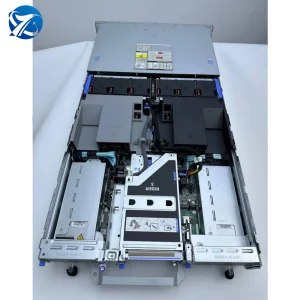
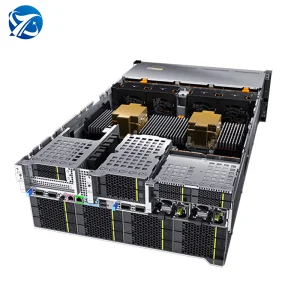

The global ICT landscape is experiencing a rapid shift toward converged architectures, where compute, storage, and networking function as a single unified system. The rise of large language models (LLMs) and artificial intelligence deployments requires ultra-high bandwidth, low-latency switching networks.
Traditional gigabit copper connections are being replaced by Multi-Gigabit Ethernet (2.5G/5G/10G) and dense optical backbones (40G/100G/400G). This shift ensures that high-power compute clusters, like modern GPU storage racks, can communicate without architectural bottlenecks. Hardware designs also emphasize energy efficiency, incorporating variable-speed cooling fans and optimized power distribution units (PDUs) to reduce ongoing operational costs.
Here is a summary of the store information for Shenzhen Tiansheng Cloud Technology Co., Ltd. (operating globally as Nexa Technology Co., Ltd.):
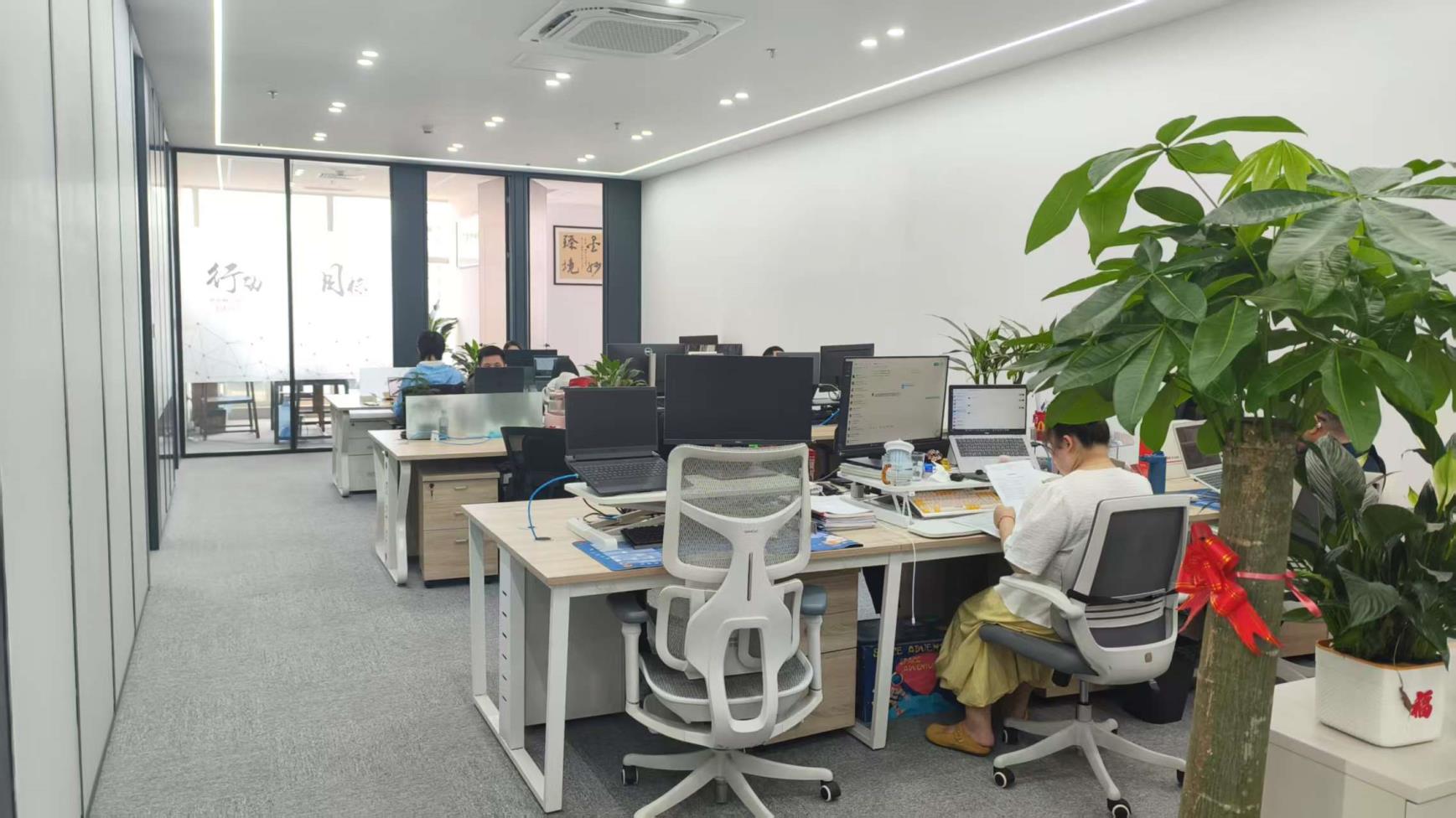
Shenzhen Tiansheng Cloud Technology Co., Ltd. is a verified hardware supplier operating on Alibaba.com, specializing in the distribution and configuration of enterprise-grade server and networking solutions. Established in late 2024, the company focuses on providing high-performance computing hardware to a global clientele, including wholesalers, brand businesses, and network engineers.
The company primarily deals in refurbished and configured rack servers and networking components from major industry brands. The product portfolio includes:
 Nexa AI Server