Engineered for low latency, maximum virtual machine density, and enterprise cloud compute workloads.
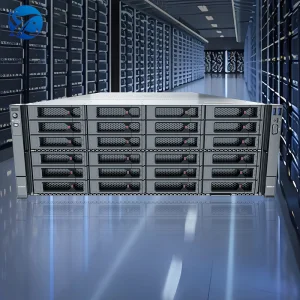
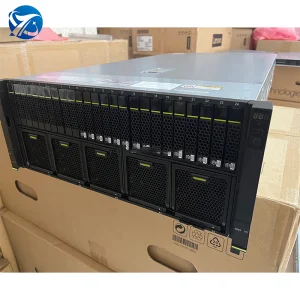
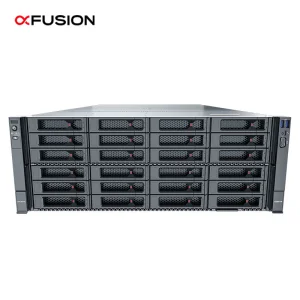
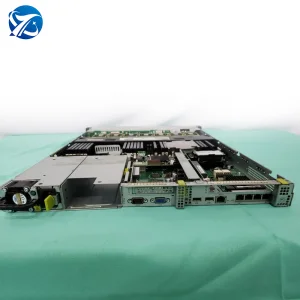
Executive Industry Insight: Enterprise server virtualization is undergoing a massive architectural shift. As AI model inference (such as DeepSeek R1/V3 pipelines), container-native workloads, and micro-kernel hypervisors redefine data center operations, selecting a qualified hardware manufacturing partner in China provides global enterprises with unmatched supply chain resilience, custom silicon-level performance optimization, and dramatic TCO advantages.
Server virtualization has transitioned from simple physical-to-virtual (P2V) consolidation into a complex ecosystem driving modern cloud-native architectures, edge computing, and artificial intelligence workloads. Modern enterprise hypervisors—ranging from KVM and VMware ESXi to open-source KubeVirt and Proxmox VE—demand highly specialized hardware platforms capable of managing hyper-dense compute threads, heterogeneous PCIe Gen5 expansion, and real-time memory management.
Bypassing legacy hypervisor overhead with lightweight bare-metal virtualization. Modern architectures leverage hardware-assisted virtualization (Intel VT-x, AMD-V) combined with nested paging to achieve near-zero hardware abstraction latencies.
The convergence of Virtual Machines and Kubernetes via KubeVirt. Enterprises deploy traditional enterprise software alongside microservices within unified node clusters, maximizing hardware utilization rates above 85%.
Dynamic partitioning of high-density graphics processing units (NVIDIA, Huawei Ascend) across multiple concurrent virtual instances to support distributed deep learning inference and LLM execution pipelines.
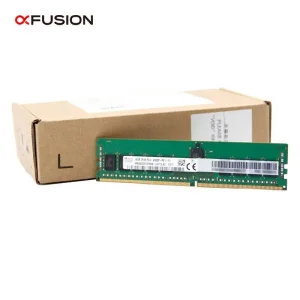
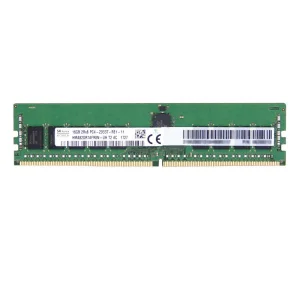
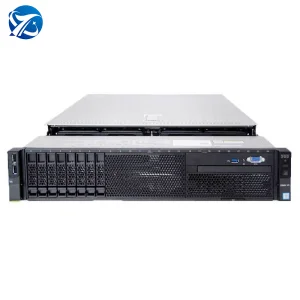
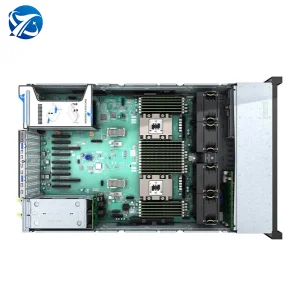
As virtual machine density increases per host node, hardware reliability becomes paramount. A failure in a multi-tenant 2U rack server hosting 128 virtual machines impacts dozens of critical business processes simultaneously. Consequently, premier Chinese virtualization hardware manufacturers focus on thermal dissipation engineering, redundant power supply architectures (80 PLUS Titanium 900W-2000W PSUs), and memory signal integrity through high-grade ECC DDR4 and DDR5 memory modules.
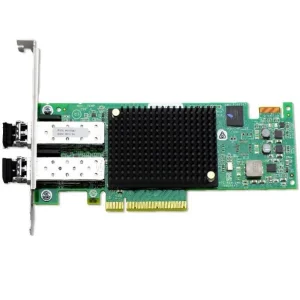
Modern virtualization performance bottlenecks have migrated from CPU compute cycles to I/O packet processing. Leading hardware architectures integrate Single Root I/O Virtualization (SR-IOV) and Data Plane Development Kit (DPDK) offloading. By allowing virtual guest machines direct, unmediated access to physical network interfaces (such as Emulex LPe35002-M2 32GB FC Cards and 100GbE SmartNICs), latency drops from milliseconds to sub-microseconds—a mandatory baseline for financial high-frequency trading and telecommunications enterprise clouds.
China's Pearl River Delta, specifically the Shenzhen technology hardware cluster, represents the pinnacle of server manufacturing and structural innovation. Access to complete component supply chains—ranging from raw motherboard PCB fabrication, multi-layer high-frequency trace routing, to rapid precision chassis stamping—allows Chinese factories to deliver enterprise-grade virtualization platforms with unparalleled speed and cost efficiency.
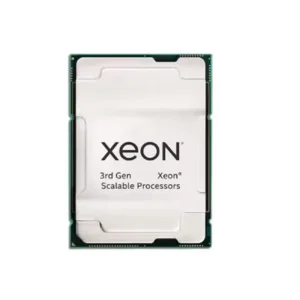
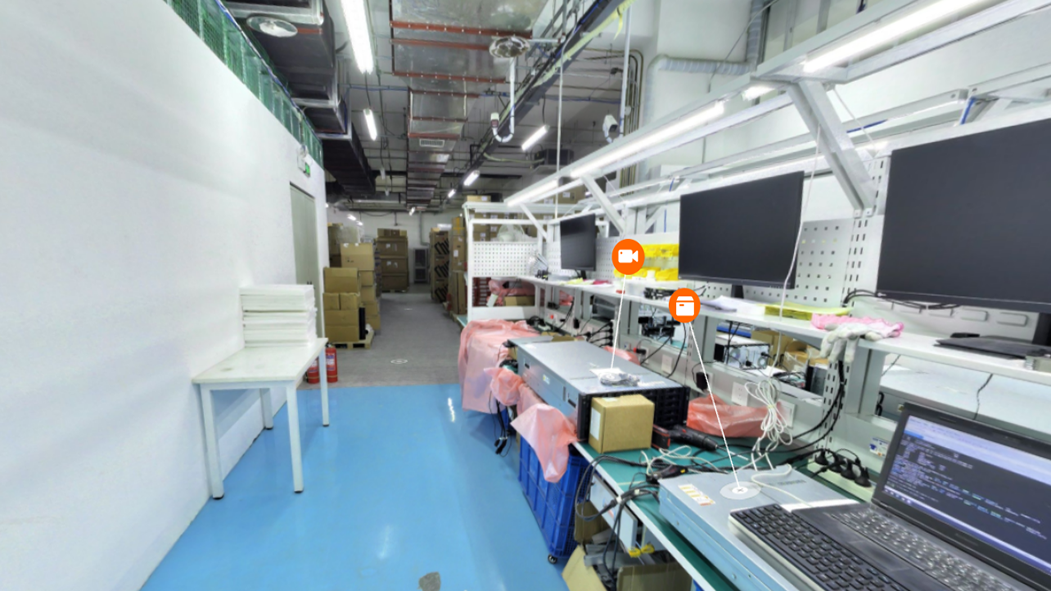
Factories leverage direct tier-1 relationships for original Intel Xeon Scalable Processors (3rd Gen Ice Lake & 4th/5th Gen Sapphire/Emerald Rapids), high-frequency ECC RDIMM memory, and enterprise NVMe SSD storage. Every server undergoes rigorous burn-in stress testing using standard diagnostic suites.
Unlike rigid Western OEMs, Chinese virtualization manufacturers excel at "Light Customization." Whether an enterprise buyer requires short-depth 1U/2U chassis for edge telecom environments, non-standard PCIe expansion risers, or specialized GPU power harness configurations, custom solutions are delivered in days, not months.
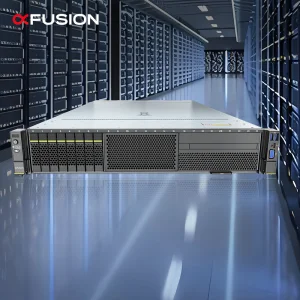
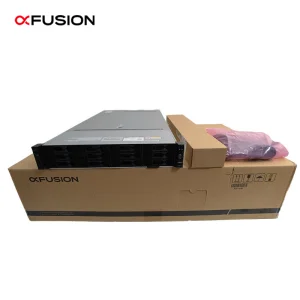
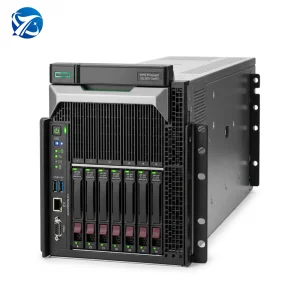
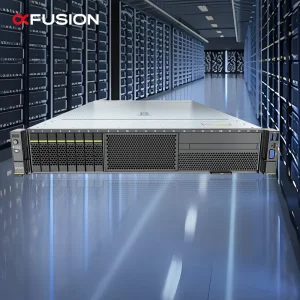
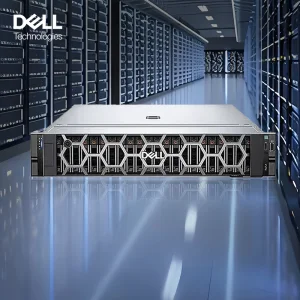
Furthermore, quality control methodologies implemented in advanced Chinese facilities adhere to ISO9001 standards and undergo third-party auditing by international inspection bodies such as Intertek. This ensures that every refurbished or newly configured rack server (e.g., FusionServer 2288H V6, Dell PowerEdge R760, HPE ProLiant DL380) matches stringently specified thermal, electrical, and compute tolerances prior to global shipment.
To maximize Information Gain for global IT decision-makers, the following matrix outlines real-world enterprise virtualization deployments powered by optimized server configurations:
Target Hardware: xFusion 2258 V7 / G5500 V6 GPU Servers
Virtualization Stack: KVM / Proxmox with vGPU & PCIe Passthrough
Use Case: Multi-tenant AI training clusters running LLMs (DeepSeek R1/V3) with dynamic GPU memory allocation and high-density thermal management.
Target Hardware: FusionServer 1288H V5 / 2288H V6 2U Rack Servers
Virtualization Stack: OpenStack + OVS-DPDK
Use Case: Network Functions Virtualization (NFV), 5G core network packet routing, and edge computing nodes with ultra-low packet drop rates.
Target Hardware: FusionServer 2488H V5 4-Socket High Performance Server
Virtualization Stack: VMware vSphere ESXi Cluster
Use Case: High-reliability database virtualization (Oracle RAC, SAP HANA) utilizing 4-socket multi-processing, 3TB+ ECC RAM, and high-speed Fibre Channel HBAs.
Procuring server virtualization hardware internationally requires strict adherence to global regulatory standards and transparent TCO calculations. IT procurement teams must evaluate hardware costs not merely on initial acquisition capital (CAPEX), but on long-term operational costs (OPEX), energy efficiency ratios, and component replacement availability.
TCO Optimization Index: By sourcing enterprise-grade refurbished and custom-configured servers from specialized Shenzhen suppliers, organizations achieve up to a 45% CAPEX reduction compared to standard OEM retail list prices, while preserving 100% architectural compatibility with legacy enterprise hypervisors.
Global cross-border shipments must comply with destination-country safety and environmental regulations. Leading Chinese suppliers ensure all shipped rack units, CPUs, memory modules, and expansion HBAs meet the following certifications:
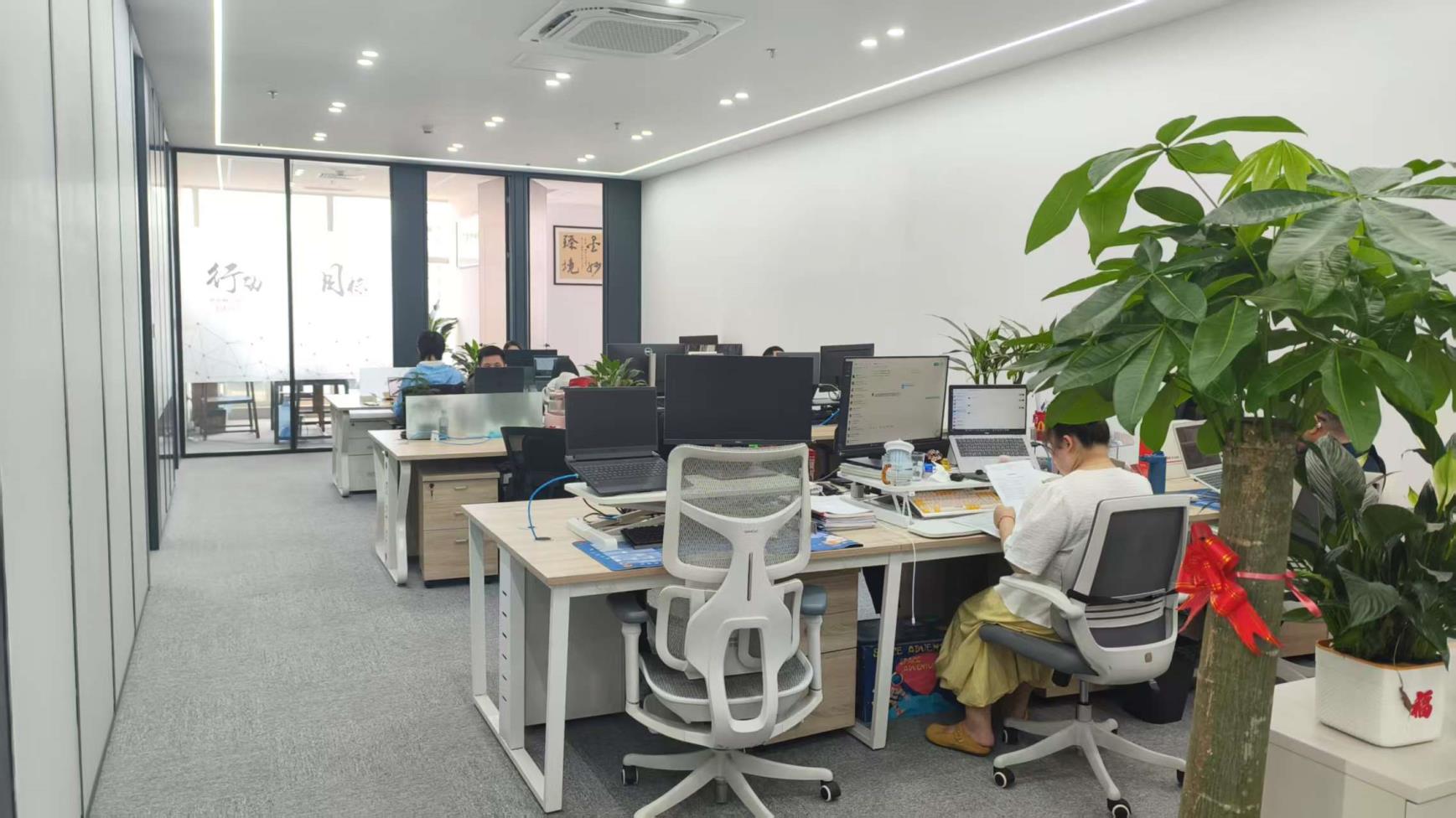
Shenzhen Tiansheng Cloud Technology Co., Ltd. (operating globally in partnership with Nexa Technology Co., Ltd.) is a audited enterprise hardware supplier specializing in server virtualization infrastructure, high-density compute clusters, and custom server configuration. Audited by Intertek, the company operates state-of-the-art warehouse and assembly facilities in Shenzhen, China.
Core Capabilities: Rapid light customization, wholesale distribution of premier server lines (FusionServer / xFusion, Dell PowerEdge, HPE ProLiant), advanced component testing (CPUs, ECC DDR4/DDR5 RAM, Fibre Channel HBA cards, High-Speed NVMe Storage), and responsive multi-lingual technical support (English, Spanish, Russian, French, Portuguese) with an average response time of under 3 hours.
High-reliability server memory, Fibre Channel HBA cards, and multi-socket scalable server platforms.
 Nexa AI Server