In an era dominated by hyper-converged infrastructures, cloud computing, and real-time artificial intelligence algorithms like DeepSeek and advanced large language models (LLMs), the global demand for state-of-the-art router technology has experienced a paradigm shift. Standard, off-the-shelf consumer networking equipment is no longer sufficient to meet the massive throughput, ultra-low latency, and stringent security requirements of modern enterprises.
Today's global commercial and industrial sectors are transitioning away from rigid, proprietary black-box router configurations toward highly customizable OEM/ODM routing appliances and open networking systems. By decoupling proprietary software from bare-metal hardware (often referred to as Whitebox Routing or Software-Defined Networking), global enterprise customers can deploy tailored routing protocols, custom firmware, and localized security firewalls.
From telecom operators establishing 5G cell site routers to automotive factories requiring ruggedized, industrial-grade IoT gateways, customized hardware ensures long-term operational viability. This custom integration reduces point-of-failure liabilities and delivers optimal thermal efficiency under continuous workloads.
How local production clusters enable rapid prototyping, high yield rates, and unprecedented time-to-market advantages.
Rigorous multi-stage stress testing, automated optical inspection (AOI), and Intertek-verified validation pipelines ensure zero-defect deployments.
An integrated component ecosystem in Shenzhen allows us to source, adapt, and configure complex custom network specifications in record time.
Tailored bios/firmware compilation, custom structural chassis alterations, multi-port configurations, and dedicated ASIC/FPGA co-processor integration.
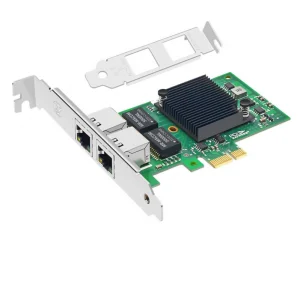
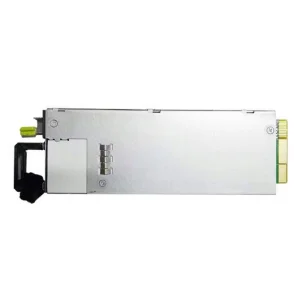
Shenzhen's status as a global technology epicentre is not merely due to the volume of manufacturing, but the unparalleled density of its specialized engineering talent and component availability. In the networking domain, building custom OEM routers requires sourcing diverse components: high-grade multilayer PCBs, network chipsets (such as Broadcom, Marvell, or Intel), customized thermal sinks, high-performance solid-state storage options (like NVMe PCIe drives), and reliable enterprise-grade power supplies (such as the xFusion HVDC1500wb).
By consolidating this complete supply chain into localized hubs, our factory can prototype, test, iterate, and mass-produce customized routing hardware with a speed that traditional Western manufacturers cannot match. This integrated supply chain reduces shipping lag and drastically mitigates the risks associated with global component shortages.
Selecting the appropriate architecture for routing and data transport depends entirely on the operational environment. Below are the key scenarios where custom OEM router technologies are integrated with enterprise server solutions to provide maximum uptime and throughput:
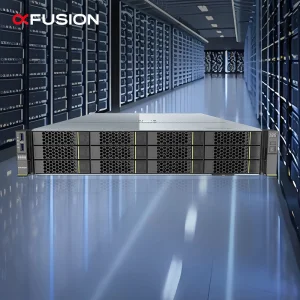
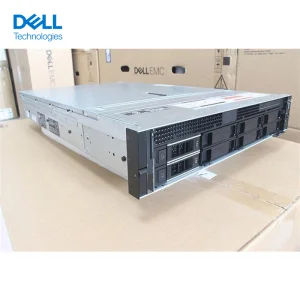
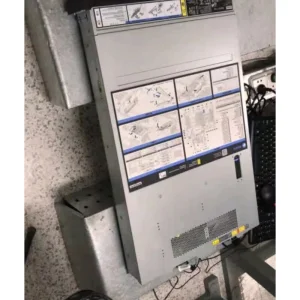
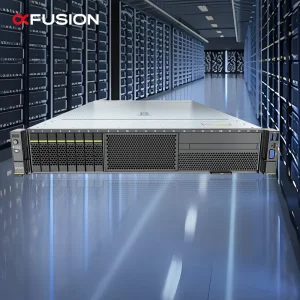
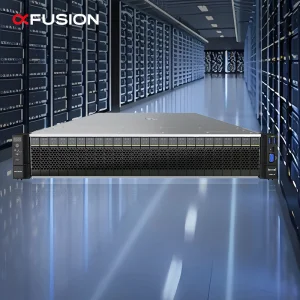
Super-computing workloads utilizing architectures like xFusion FusionServer G8600 V7 or Dell PowerEdge R750 require high-speed backplane communication and optimized routing paths. Custom edge routers handle dynamic load-balancing to distribute traffic across distributed deep-learning frameworks (e.g. DeepSeek models) without bottlenecking critical GPU-to-GPU interconnects.
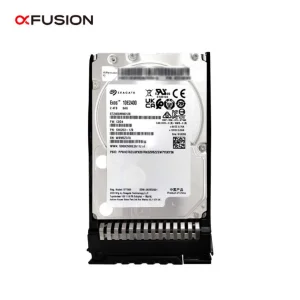
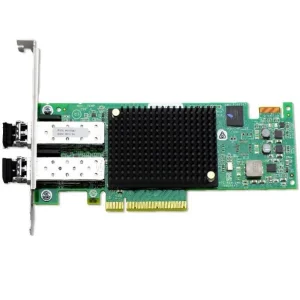
Storage-heavy cloud applications need routing pipelines that handle massive file indexing and transfer. Incorporating specialized NVMe PCIe SSD arrays (such as the EP600 Series) alongside dual-port 32GB Fibre Channel HBA cards allows local servers to route data storage at wire-speed directly through dedicated fiber-optic channels.
In harsh environment factories, custom routers function as edge gateways. They bridge local operational technology (OT) protocols with standard information technology (IT) networks. This requires physical ruggedization, wide temperature operation, and custom boot-card recovery designs like the XP270-M2 (SAS3808 BootCard) to prevent data corruption during unexpected power events.
As we approach the latter half of the decade, several key technological developments are set to define the network hardware landscape:
Purchasing high-performance routing hardware and servers involves several technical considerations to ensure compatibility, durability, and cost-efficiency. Enterprise procurement teams should utilize the following checklist:
Ensure that the server bus interface matches the networking speeds. For instance, pairing a dual-port 32GB FC HBA card (such as the Emulex LPe35002-M2) requires a PCIe slot capable of running at full speed without lane sharing. Check the motherboard configuration of the server (e.g. xFusion 2288H V6 or Dell R650) to avoid CPU bottlenecking.
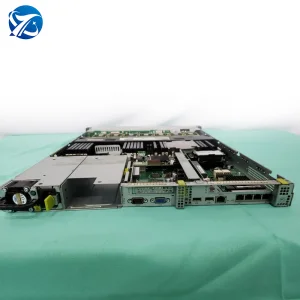
In high-density 1U or 2U rack cabinets, thermal load accumulates fast. Opt for systems configured with dual-redundant high-efficiency power supplies (e.g., Titanium/Platinum grade like HVDC1500wb) and hot-swappable fan blocks. Verify the CFM rating of the chassis design relative to your server room ambient parameters.
Work with partners who offer customized hardware assembly. Selecting precise components—such as selecting between specialized boot-cards (like XP270-M2) and varying sizes of enterprise NVMe SSDs (like the EP600 series)—lets you tailor the system to your budget and technical requirements.
Always verify the regulatory status of the supplier. Ensure they carry international standards certifications, audit reviews from trusted third parties (e.g. Intertek), and secure payment mechanisms like Trade Assurance to protect financial transactions and delivery terms.
Nexa Technology Co., Ltd. (also operating as Shenzhen Tiansheng Cloud Technology Co., Ltd.) is an established enterprise hardware supplier specializing in the distribution, assembly, and configuration of enterprise-grade server and networking solutions. Operating from the technological center of Shenzhen, we focus on providing high-performance computing hardware to a global clientele, including wholesalers, brand businesses, and systems engineers.
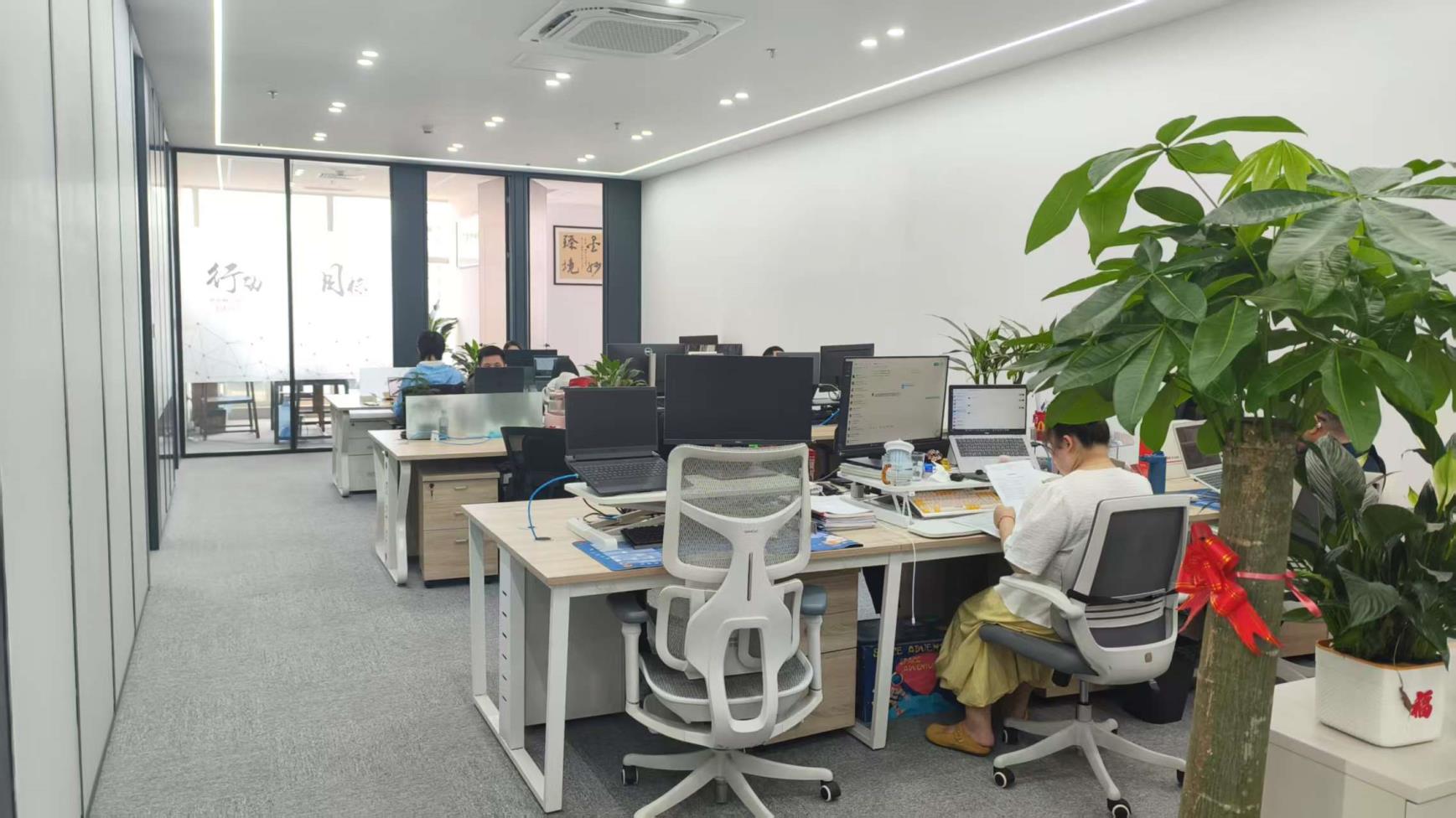
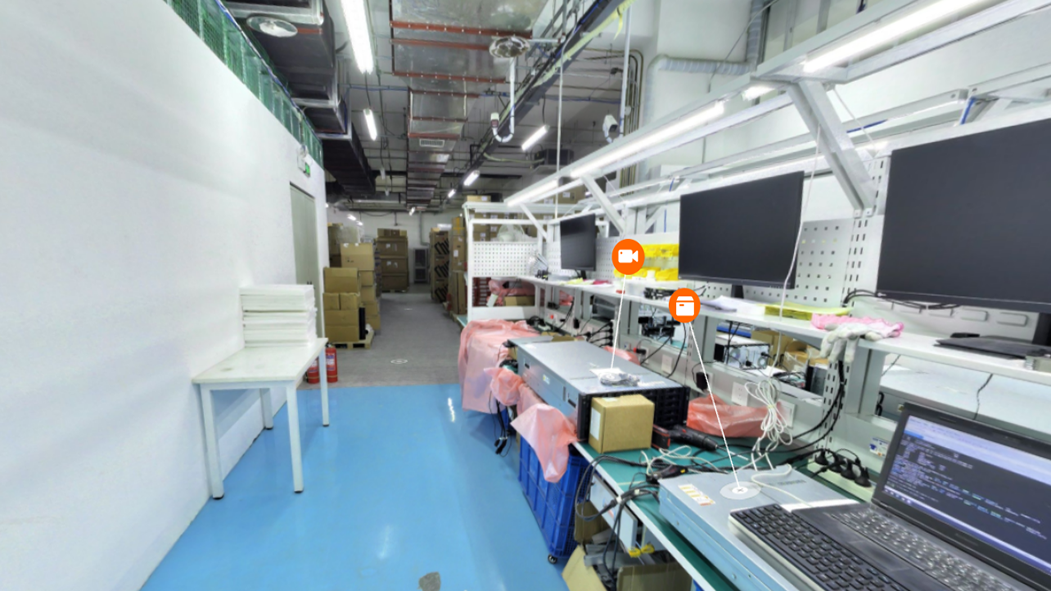
Technical explanations regarding custom OEM routing, server assembly, and hardware deployment logistics.
 Nexa AI Server