How localized hardware engineering drives scale, performance, and efficiency in the era of software-defined datacenters.
Modern enterprise cloud computing has evolved far beyond traditional centralized architectures. Today's digital transformation requires a hybrid orchestration of processing, local caching, and high-capacity storage configurations. High-performance enterprise-grade servers are the bedrock of this shift, ensuring datacenters maintain zero downtime while handling massive data throughput. The integration of high-density storage drives, highly resilient SAS controllers, and modular power designs ensures that modern cloud infrastructure is built on hardware-defined resilience.
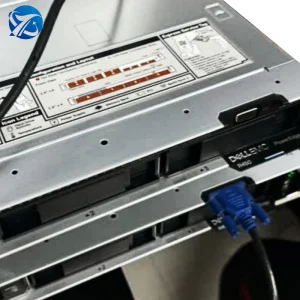
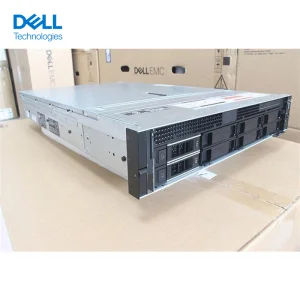
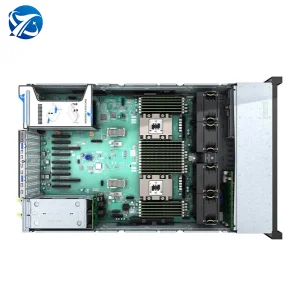
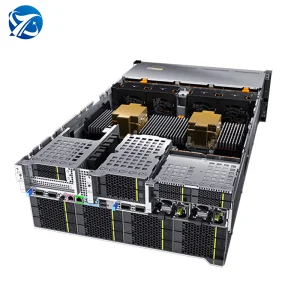
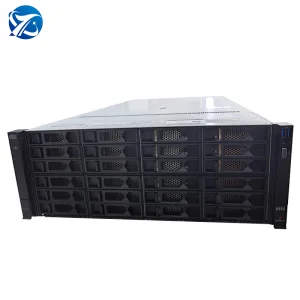
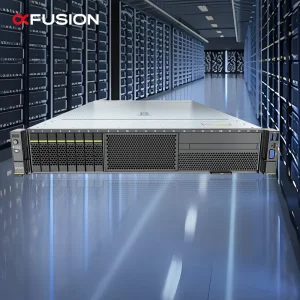
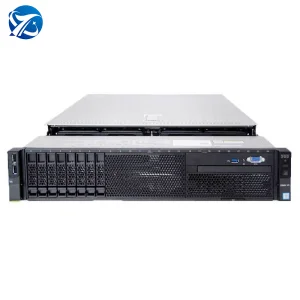
Rather than relying solely on monolithic, high-overhead cloud providers, companies now optimize their storage footprints through optimized bare-metal server configurations. Utilizing server architectures from leading brands like Dell PowerEdge and FusionServer (xFusion), enterprises deploy bespoke Software-Defined Storage (SDS) frameworks. These custom-configured storage pools operate as localized private clouds or high-speed Network Attached Storage (NAS) nodes, delivering tailored computing capabilities for AI inference and distributed virtualization environments.
As storage demands scale into the petabyte range, raw disk space is no longer the sole bottleneck. The true limiting factors have shifted to network throughput, PCIe lane allocations, processing power, and power distribution efficiency. By partnering with specialist configurations suppliers in China’s manufacturing core, global operators acquire pre-configured or light-customized systems built specifically to meet these computational constraints.
Decentralized storage topologies optimized for latency-critical industrial environments.
For organizations operating across strict regulatory environments, pure public cloud storage is often cost-prohibitive and legally challenging. Localized, high-capacity NAS configurations utilizing refurbished or factory-configured enterprise servers offer a secure, high-speed solution. Businesses deploy these platforms to manage localized backups, system logs, and localized applications. By using configurations tailored with redundant power supplies, they ensure continuous operations without recurring licensing fees.
The rise of massive AI models requires rapid, non-blocking data pathways. Deep learning pipelines, such as those built for modern AI engines, demand continuous feeding of massive unstructured datasets to arrays of GPUs. Deploying servers with specialized storage-dense configurations allows AI laboratories to cache high-volume datasets close to the processing units, avoiding network latency bottlenecks and keeping processing units running at 100% efficiency.
At the edge of industrial networks, from remote manufacturing plants to shipping logistics depots, low latency is critical. Local systems configured with dedicated hardware RAID arrays, such as M.2 SSD configurations combined with SAS HDDs, operate as local cache buffers. These nodes cache localized data before executing secure, scheduled uploads to central datacenters, optimizing bandwidth and providing localized resilience during network outages.
Decentralized storage topologies optimized for latency-critical industrial environments.
The integration of PCIe Gen 5 in modern server platforms doubles the bandwidth available to SSD controllers. Combined with Compute Express Link (CXL) technologies, systems can share memory and cache dynamically across storage processors, system CPUs, and discrete accelerators. This effectively resolves the input/output latency limitations that historically degraded software-defined cloud storage platforms.
Moving away from legacy SCSI and SATA pathways, NVMe over Fabrics (NVMe-oF) is becoming the standard for modern cloud infrastructures. This protocol allows servers to access remote solid-state storage pools with latency that closely matches locally attached PCIe cards. This enabling technology allows configurations manufacturers to design disaggregated storage drawers that can serve multiple computing nodes simultaneously with ultra-low latency.
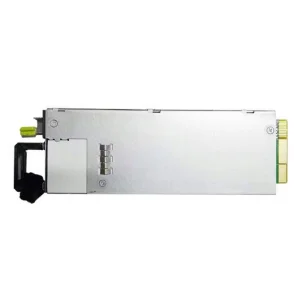
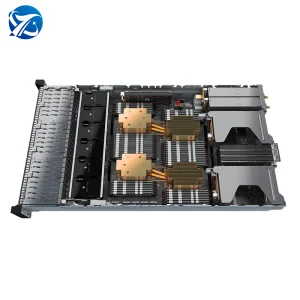
With processing units and storage densities climbing rapidly, thermal and power delivery efficiency has become critical. Modern server enclosures incorporate specialized power supply units (such as the HVDC1500wb 1500W power modules) to convert high-voltage DC directly at the rack, minimizing conversion losses. Concurrently, closed-loop liquid cooling blocks are transitioning from luxury deployments to standard configurations for high-density GPU storage nodes.
Leveraging the Shenzhen Hardware Manufacturing Cluster for Global Deployments.
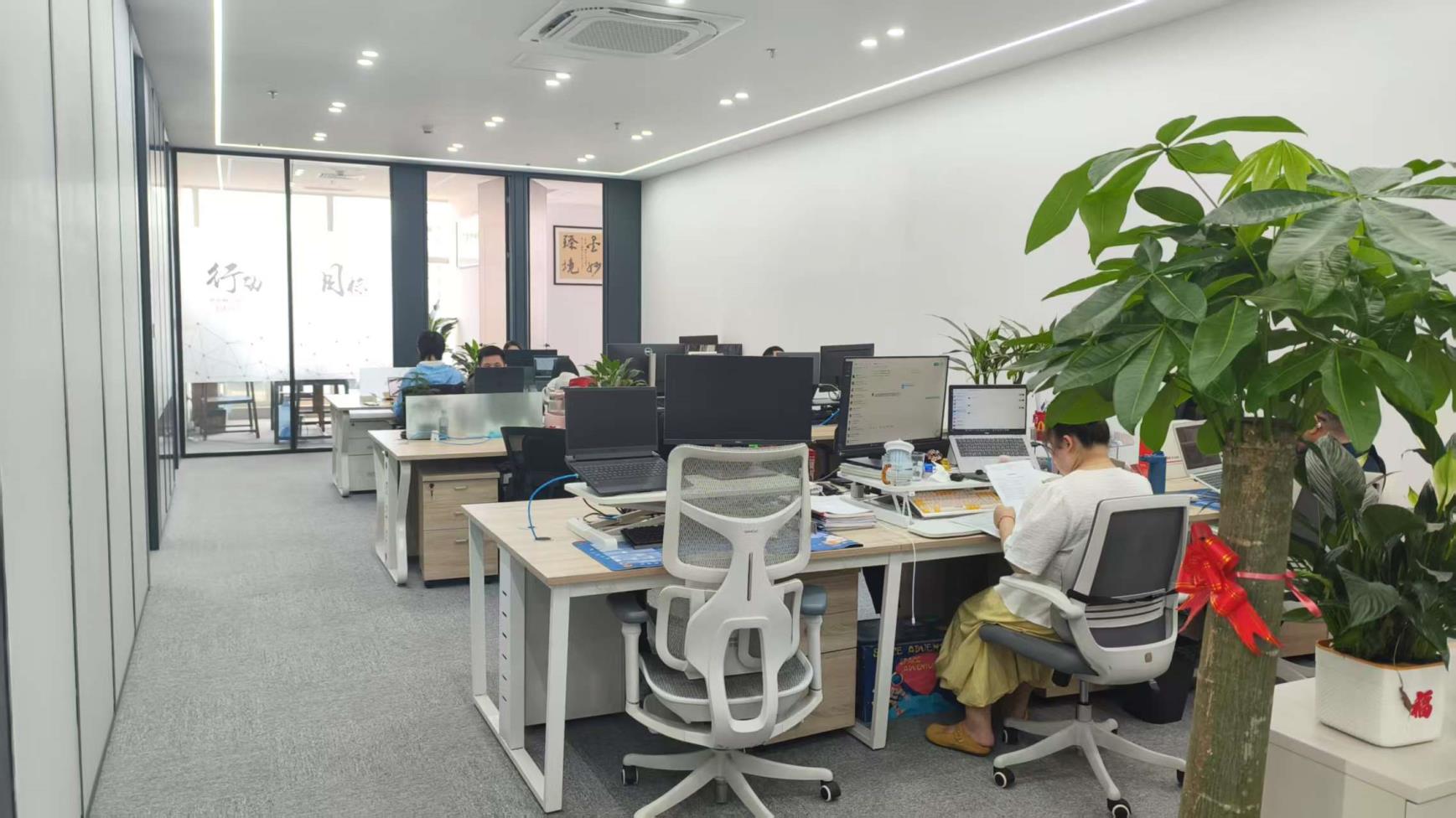
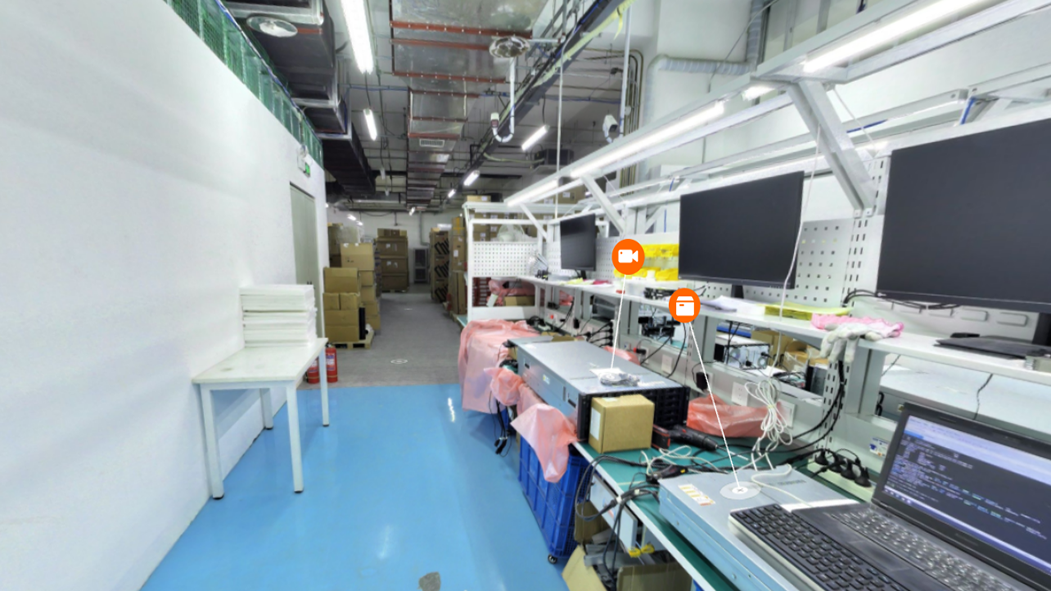
The hardware configuration and integration hub located in Shenzhen represents a unique global node in IT infrastructure supply chains. Companies like Shenzhen Tiansheng Cloud Technology Co., Ltd. (established late 2024) act as crucial aggregators. By positioning storage and computing assembly facilities close to raw component manufacturers, these providers offer rapid hardware turnarounds that traditional western distributors cannot match.
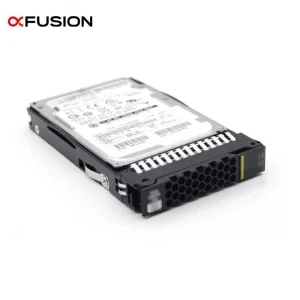
Whether sourcing enterprise hard drives, memory kits, custom SAS controllers, or specific server power modules, local integrators can customize, assemble, and stress-test complex system builds in a fraction of the time. This geographic proximity to component factories reduces the lead time for custom server configurations, enabling rapid provisioning for scaling cloud setups.
Additionally, the option to configure refurbished server chassis (such as Dell PowerEdge and FusionServer lines) with brand-new storage drives, CPUs, and networking modules creates a balanced pathway for corporate buyers. This hybrid purchasing model allows companies to achieve high reliability and computing power without incurring the steep costs of brand-new, off-the-shelf system packages.
Navigating geopolitical trade standards, international shipping, and secure integration practices.
Providing hardware infrastructure to regions such as Eastern Europe, Southeast Asia, and the Middle East requires strict compliance with international trade and safety directives. Top-tier server integrators navigate these processes by ensuring that all customized storage configurations undergo comprehensive auditing. Compliance with CE, FCC, RoHS, and local regulatory requirements ensures that exported server models can be integrated smoothly into target datacenters without regulatory delays.
Furthermore, verified business platforms (such as Alibaba.com) backed by Trade Assurance protect buyers against component variances or shipping delays. This transactional security, combined with structured shipping pathways, guarantees that complex enterprise assemblies arrive in functional, production-ready condition.
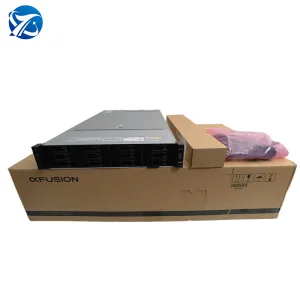
For large-scale industrial buyers, compliance also extends to physical security and shipping protocols. Hard drives are shipped in specialized static-shielding arrays, while server chassis are packed in reinforced, custom-molded shock-absorbing packaging. This careful logistics process ensures that high-precision mechanical storage drives and delicate GPU silicon arrays remain undamaged throughout transport.
Partner Profile: Nexa Technology & Shenzhen Tiansheng Cloud Technology Co., Ltd.
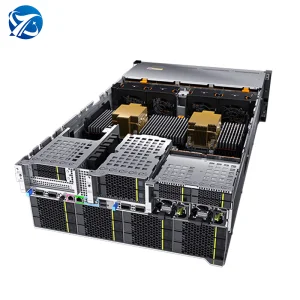
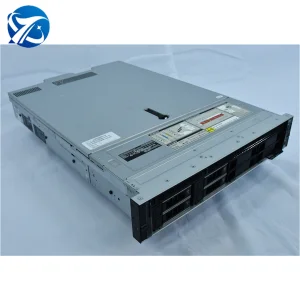
Operating as verified suppliers and integrators, Nexa Technology Co., Ltd. and Shenzhen Tiansheng Cloud Technology Co., Ltd. focus on the distribution and custom configuration of enterprise-grade server solutions. Established in late 2024, the enterprise targets a global clientele of wholesalers, system engineers, and datacenter builders. With a core focus on Dell PowerEdge configurations and FusionServer (xFusion) systems, they deliver customized hardware platforms configured for AI acceleration, high-density NAS storage, and critical virtualization workloads.
Audited by independent third-party agencies such as Intertek, the companies offer comprehensive verification, light customization, and assembly solutions. Their technical support teams operate across multiple languages (including English, Spanish, Russian, French, and Portuguese) and guarantee response times of under 3 hours to handle technical design inquiries, layout configurations, and shipping logistics.
Direct answers to crucial procurement, technical compatibility, and logistics questions.
 Nexa AI Server