Powering spatial computing, digital twins, and real-time cloud-based graphics rendering ecosystems.
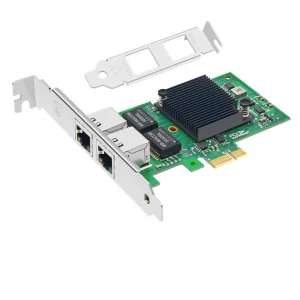
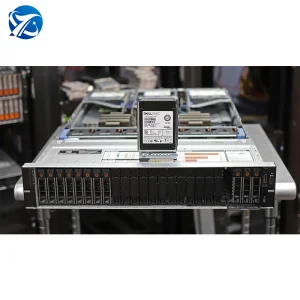
The global paradigm of Virtual Reality (VR) and Spatial Computing is undergoing a foundational shift. Today’s industrial VR ecosystems no longer rely purely on local, client-side rendering engine chipsets. The complexity of running hyper-realistic, multi-participant interactive 3D simulations, Real-Time Digital Twins, and heavy-workload spatial models requires massive backend calculation capability. As a premier provider of customized cloud hardware infrastructure, Nexa Technology Co., Ltd. (Shenzhen Tiansheng Cloud Technology Co., Ltd.) positions itself at the nexus of this revolution.
By delivering highly specialized enterprise server nodes, high-density GPU accelerators, and low-latency storage pools, we empower VR developers, manufacturers, and hardware exporters to build scalable computing networks. These high-throughput systems host complex architectural renderings, massive online multiplayer environments, and machine learning models for motion tracking. The modern VR pipeline demands high performance at every level, from localized compute nodes to global edge networks that deliver immersive visual realities to end-users without hardware bottlenecks.
As we progress through the decade, several macro-trends are driving the expansion of the industrial virtual reality hardware and cloud infrastructure market:
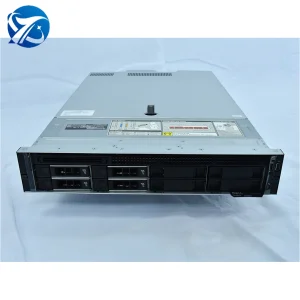
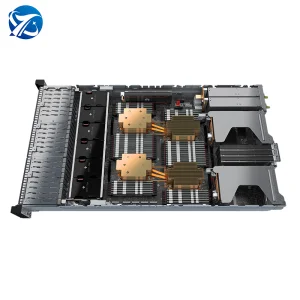
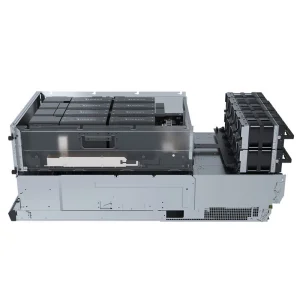
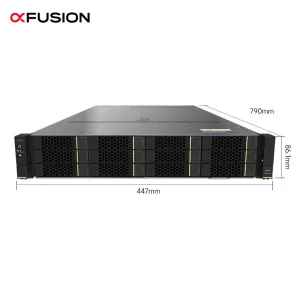
To make VR headsets lighter and more energy-efficient, rendering calculations are shifted from head-mounted devices to cloud-based server arrays. Low-latency H.265/AV1 video streams are sent dynamically back to the user, making high-spec enterprise rack servers (such as the xFusion FusionServer 2488H V6) essential for smooth, motion-sickness-free frame generation.
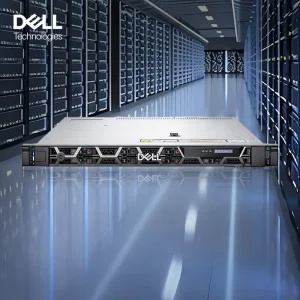
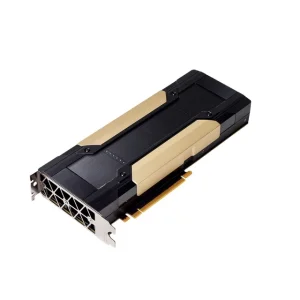
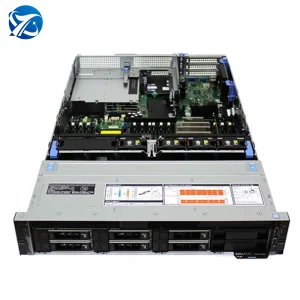
Integrating artificial intelligence into VR experiences enables automated scene generation, eye-tracking analytics, and spatial acoustic ray tracing. Using robust server configurations with integrated graphic processors (such as the Dell PowerEdge R750 GPU or xFusion 2288H V6 AI servers) allows real-time execution of neural networks alongside 3D simulation loops.
Aerospace, manufacturing, and automotive corporations are constructing real-time immersive replicas of active facilities. Sourcing and exporting reliable server units that sustain permanent simulation models are essential components for international supply chains, ensuring seamless coordination between physical facilities and virtual design boards.
For global enterprise procurers, sourcing hardware for VR operations and cloud rendering pipelines is a multi-dimensional challenge. The parameters go far beyond basic hardware specifications; they encompass long-term resilience, custom engineering, and transparent supply pipelines.
Hardware procurers require customizable configurations, validated quality standards, and immediate delivery frameworks. Server platforms like Dell PowerEdge and xFusion FusionServer are favored globally because they offer standardized, globally serviceable architectures. Nexa Technology caters to these exact needs through our customized config-to-order (CTO) server services.
B2B buyers prioritizing high-performance VR networks target these primary operational indices:
China's dominance in the VR, AR, and broader consumer electronics manufacturing sector is not just a result of assembly scale; it stems from a cohesive, deeply integrated supply chain ecosystem. In regions like Shenzhen, physical device manufacturing (lenses, tracking sensors, micro-OLED displays) exists in direct synergy with massive data center hardware development and assembly ecosystems.
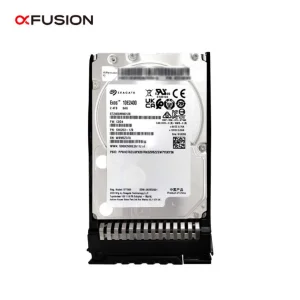
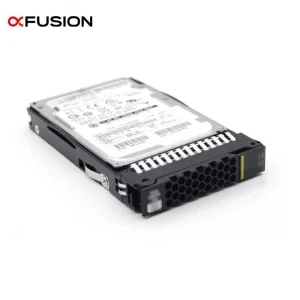
This proximity creates unique efficiencies. An enterprise setting up a large-scale VR rendering operation can coordinate both the procurement of high-performance client headsets and the setup of customized backend GPU servers within the same regional ecosystem. Shenzhen's rapid prototyping, component sourcing (such as advanced enterprise SSDs, high-capacity SAS hard drives, RAID arrays, and server heat sinks), and rigorous verification procedures guarantee that international buyers receive systems built for intensive, continuous usage.
Furthermore, the transition to Industry 4.0 principles means that Chinese factories and integration centers utilize automated assembly and real-time QA tracking. This ensures high-level reliability, reducing hardware failure rates for international deployments and keeping production pipelines moving, even amidst global component fluctuations.
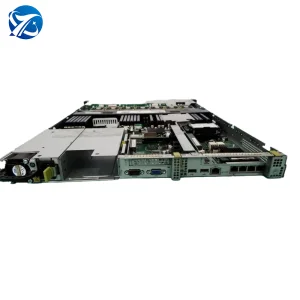
Operating dynamically in international markets, Nexa Technology Co., Ltd. (Shenzhen Tiansheng Cloud Technology Co., Ltd.) is a verified, professional enterprise-level computing hardware supplier. We specialize in configuring, validating, and distributing advanced rack server architectures to support compute-heavy industries like virtual reality rendering, artificial intelligence, and deep learning.
Audited and Verified By:
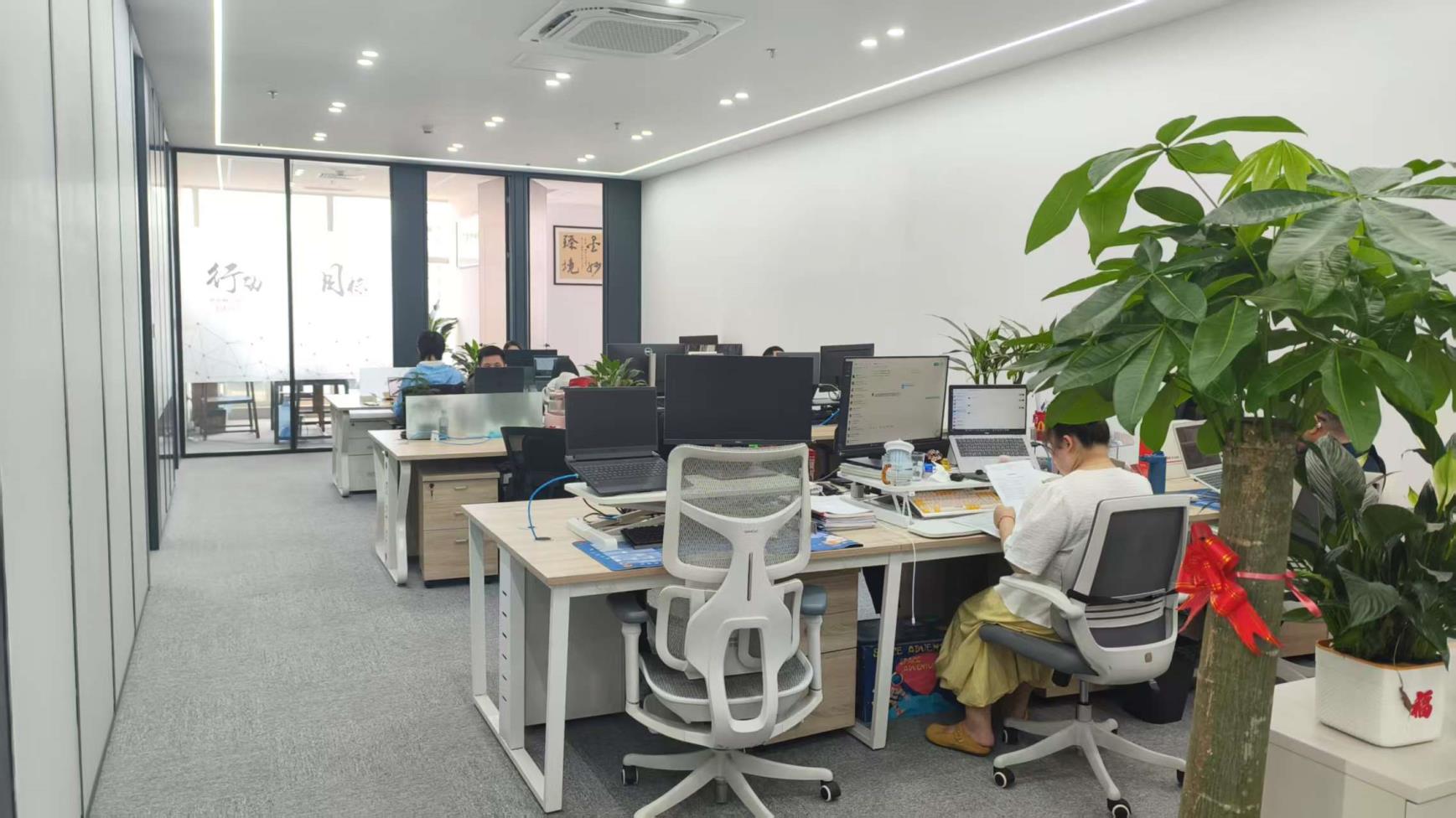
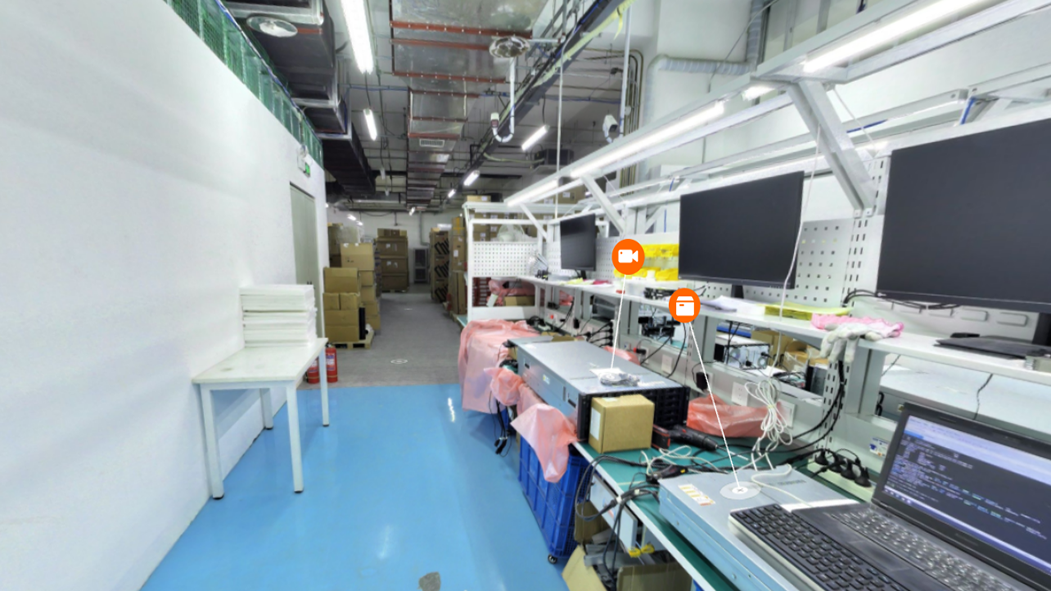
The implementation of high-performance server clusters changes how organizations across the globe utilize virtual reality. Here are real-world configurations where server backbone strength determines VR performance outcomes:
Architects and engineers located across continents can step into the same virtual 3D mockups. Using high-core count systems like the xFusion FusionServer 2488H V6, the central model is rendered in real time, and delta updates are streamed instantly to each engineer's headset, minimizing structural rendering latency.
Simulating critical flight scenarios or complex human surgeries in VR requires high physical accuracy. Server arrays packed with dedicated storage cards (like the EP600 NVMe Series SSDs) supply the simulation engines with instant access to high-resolution anatomical or spatial datasets, preventing system stuttering during training.
Addressing core engineering questions regarding server-backed virtual reality ecosystems and hardware distribution.
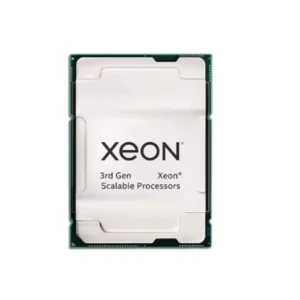
Cloud VR rendering involves running real-time 3D simulation loops, tracking headset coordinates, and encoding high-resolution video streams on the fly. Doing this under 20ms requires immense hardware scalability. Enterprise servers, especially 4-socket models like the xFusion 2488H V6, allow large-scale CPU processing, while GPU-dense chassis handle parallel graphics workloads. Standard computing hardware lacks the bus speed, PCIe channel capacity, and heat dissipation required to run these demanding workloads continuously.
Modern VR uses artificial intelligence for eye-tracking, predictive head-movement tracking, and spatial acoustic calculations. A dedicated GPU server, such as the Dell PowerEdge R750 GPU or the xFusion 2288H V6, uses CUDA cores and Tensor cores to execute these complex AI inference models in parallel with the 3D rendering engine, resulting in a smooth, lag-free user experience.
In industrial digital twin simulations, the system must constantly access and stream massive point-cloud files, high-fidelity texture maps, and physical parameters. Standard SATA SSDs or HDDs create read/write bottlenecks, causing stuttering. Deploying Enterprise NVMe PCIe SSDs, such as the EP600 Series, ensures high read/write speeds and low latency, allowing simulation databases to load assets instantly.
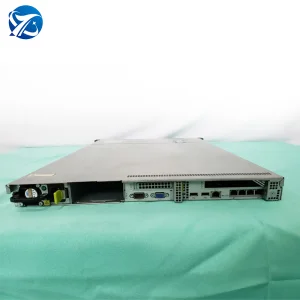
We provide comprehensive Config-to-Order (CTO) service protocols. This means buyers can choose their exact enterprise chassis (such as the 1U Dell R660 or the 2U Dell R760xs), scale up the memory with specific DDR5 units, determine storage array sizes (via NVMe or SAS disks), and select custom GPU configurations. Our team builds, tests, and validates these units prior to dispatch, ensuring compatibility for immediate deployment.
High-capacity storage configurations, specialized processors, and computing hardware designed to scale digital pipelines.
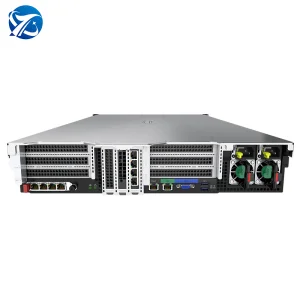
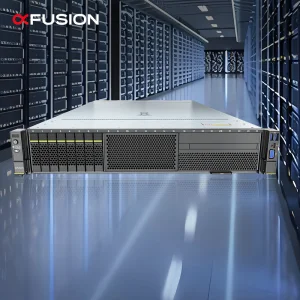
 Nexa AI Server