Optimized bare-metal computing nodes designed for multi-tier warehouse databases and real-time transaction processing.
In the era of hyper-globalized logistics and volatile supply chains, the term **"Inventory Management"** has evolved far beyond traditional barcode scanning and manual warehousing checks. Today, inventory tracking is a continuous, data-intensive computational process. It demands sub-millisecond database updates, real-time tracking of millions of Stock Keeping Units (SKUs), and complex mathematical modeling for demand forecasting. As a premier provider of hardware foundations, **Nexa Technology Co., Ltd.** (collaborating with **Shenzhen Tiansheng Cloud Technology Co., Ltd.**) acts as a critical infrastructure manufacturer and supplier. We deliver the compute, storage, and networking hardware that drives modern Enterprise Resource Planning (ERP) databases, Warehouse Management Systems (WMS), and supply chain networks worldwide.
Enterprise-grade inventory databases rely heavily on data integrity and high availability. When a consumer clicks "Buy Now" on an e-commerce platform, or when a factory floor requests raw materials, multiple databases must sync instantaneously. A millisecond of lag can lead to stockout errors, inventory write-offs, or double-selling issues that degrade customer trust. This critical performance barrier is why leading global enterprises are moving away from standard cloud instances in favor of **customized, high-throughput bare-metal rack servers** configured specifically to handle high-concurrency database transactions.
"High-performance hardware configuration is the single greatest competitive advantage in modern enterprise supply chain systems. When your server architecture is optimized for low-latency transaction processing, you unlock real-time visibility that directly translates to reduced overhead and optimized working capital."
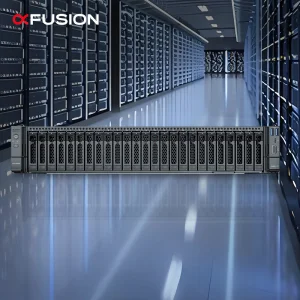
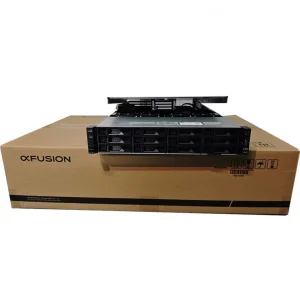
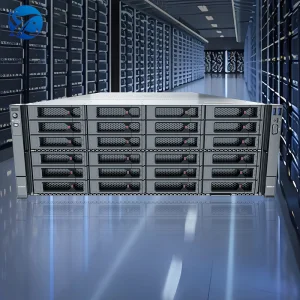
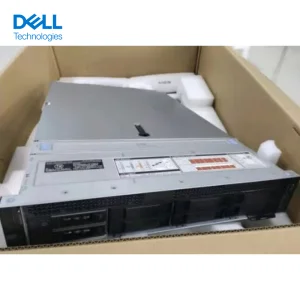
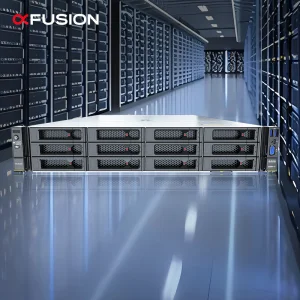
The integration of high-density storage drives, scalable multi-socket processors, and expansive ECC DDR4/DDR5 memory profiles is key to running real-time software systems like SAP HANA, Oracle, and customized SQL/NoSQL databases. Without the physical processing power to back up these multi-layered software systems, even the most advanced inventory management software will stall. Our product line—ranging from the high-density **xFusion FusionServer 2488H V7** to scalable **Dell PowerEdge R960** systems—supplies the raw computing power required to run high-speed databases directly in-memory, minimizing disk-read bottlenecks and maintaining inventory precision across distributed global warehouses.
As supply chains grow increasingly complex, several macro shifts are forcing enterprises to re-architect their data centers and branch office hardware. These trends dictate how modern inventory management systems are deployed and maintained:
Processing sensor data and automated guided vehicle (AGV) coordinates directly at the warehouse floor level. This reduces telemetry transfer overhead and enables instant spatial awareness in fulfillment centers.
Replacing traditional static reorder points with deep neural networks. AI models predict future demand by analyzing market signals, weather patterns, and historical sales data on localized GPU nodes.
Utilizing high-capacity NAS setups (Network Attached Storage) to bridge the gap between local warehouse logs and centralized cloud ERPs. This maintains full operations even during network dropouts.
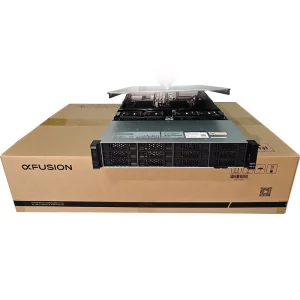
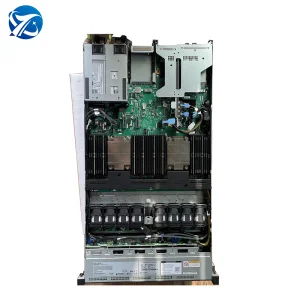
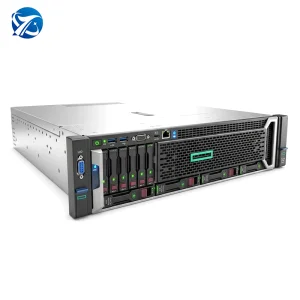
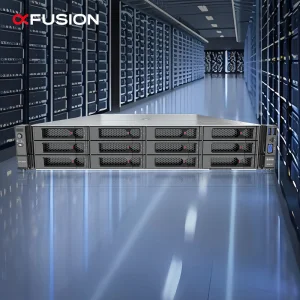
To support these trends, data infrastructure must adapt. Standard virtualization is no longer sufficient. High-throughput server arrays, such as the **xFusion 2288H V7** and the **HPE ProLiant DL360 Gen12**, are deployed directly inside regional fulfillment hubs. These systems execute machine learning inference locally, analyze high-resolution visual inputs from camera networks monitoring loading bays, and handle database commits without sending terabytes of raw telemetry back to centralized clouds.
Enterprise procurement teams face complex challenges beyond simple hardware acquisition. They must balance initial capital expenditures with long-term system reliability, global logistics, and ongoing system integration needs.
Procuring physical servers for international warehouse deployments requires a deep understanding of local network requirements, power delivery standards, and hardware lifecycles. System engineers cannot afford to purchase components that fail under heavy 24/7 read-write operations. That is why **Shenzhen Tiansheng Cloud Technology Co., Ltd.** provides fully tested, verified, and configured rack servers. Through rigid burn-in testing, component validation, and optional customizations (such as adding high-capacity storage arrays, installing redundant power supply units, or adding network interfaces), we make sure that our hardware fits your software environment out of the box.
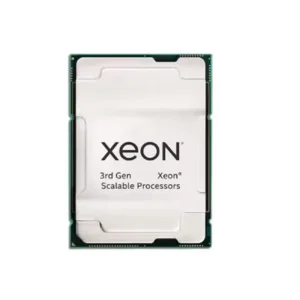
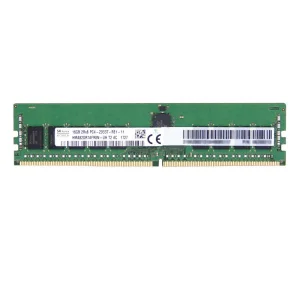
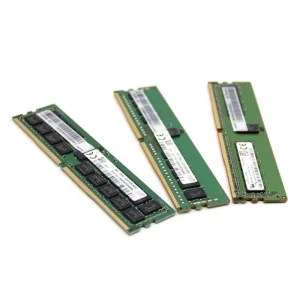
Whether your logistics networks run on Windows Server environments, legacy Red Hat Linux deployments, or containerized Kubernetes nodes, our engineers provide the physical configurations required. We optimize PCI Express layouts for maximum storage bandwidth, choose specific Xeon processors for optimum core-per-watt efficiency, and source compatible DDR4/DDR5 ECC RAM modules to prevent unexpected database corruption.
Choosing the right hardware configuration is critical to ensuring database throughput and avoiding costly downtime. The table below details how common logistics workloads translate directly to physical hardware architectures:
| Logistics Scale | Common Database Architecture | Recommended Server Node | Key Hardware Focus |
|---|---|---|---|
| Local Hub WMS (Under 50k SKUs) | PostgreSQL / MySQL / MS SQL | 1U Rack Server (e.g., DL360 Gen12 / R360) | High single-core CPU frequency, SATA/NVMe SSD storage, dual redundant PSUs. |
| Regional Fulfillment (50k - 500k SKUs) | Clustered SQL, Mid-scale ERP | 2U 2-Socket Server (e.g., xFusion 2288H V7) | High-capacity DDR4/DDR5 ECC RAM, multiple PCIe expansion paths for NICs. |
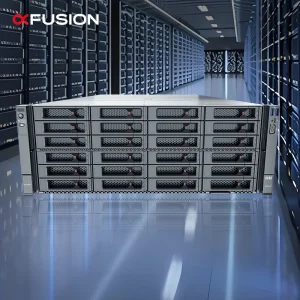
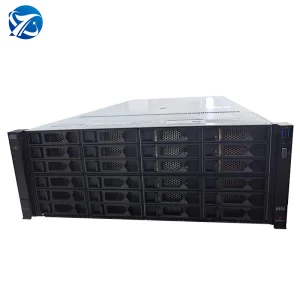
| Global Enterprise Core (1M+ SKUs) | SAP HANA, Oracle DB, In-Memory DB | 2U 4-Socket / 4U Server (e.g., 2488H V7 / R960) | Multi-socket Xeon scalability, ultra-dense memory capacity, enterprise NVMe RAID arrays. |
| AI-Powered Forecasting (Vision & Demand) | Deep Learning Models / DeepSeek | GPU-Optimized 2U/4U Rack (e.g., G5200 V7 / AI NAS) | Multi-GPU configurations, high-performance networking, rapid local SSD caching. |
For instance, the **xFusion FusionServer 2488H V7** features a 2U rack design that supports up to four Intel Xeon Scalable processors. This high compute density makes it an ideal fit for consolidating multiple regional warehouse databases into a single physical rack unit, lowering total cost of ownership (TCO) and simplifying administrative overhead.
As we look toward the future, the technology supporting global supply chains continues to evolve. The next wave of enterprise hardware optimization is centered around several critical innovations:
Nexa Technology's product portfolio is built to align with these trends. By working with major global hardware brands, we ensure that our customized servers support the latest generation of Intel Xeon Scalable and AMD EPYC processors, DDR5 memory, and advanced PCIe expansion standards.
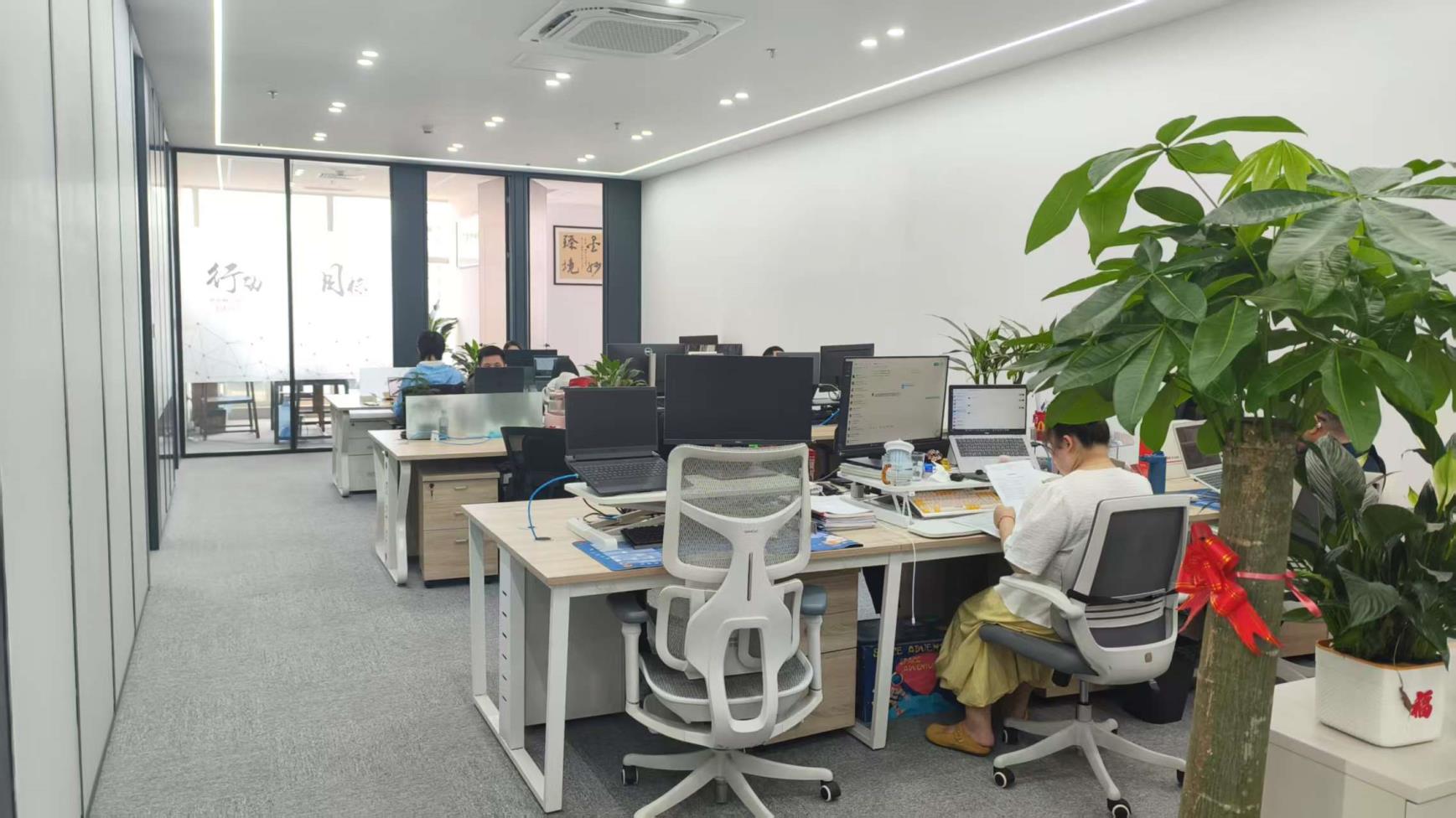
Established as an enterprise-grade hardware distributor, **Shenzhen Tiansheng Cloud Technology Co., Ltd.** specializes in configuring and deploying high-performance server hardware for clients worldwide. Our focus is helping businesses, engineering groups, and system integrators acquire the physical infrastructure they need to scale.
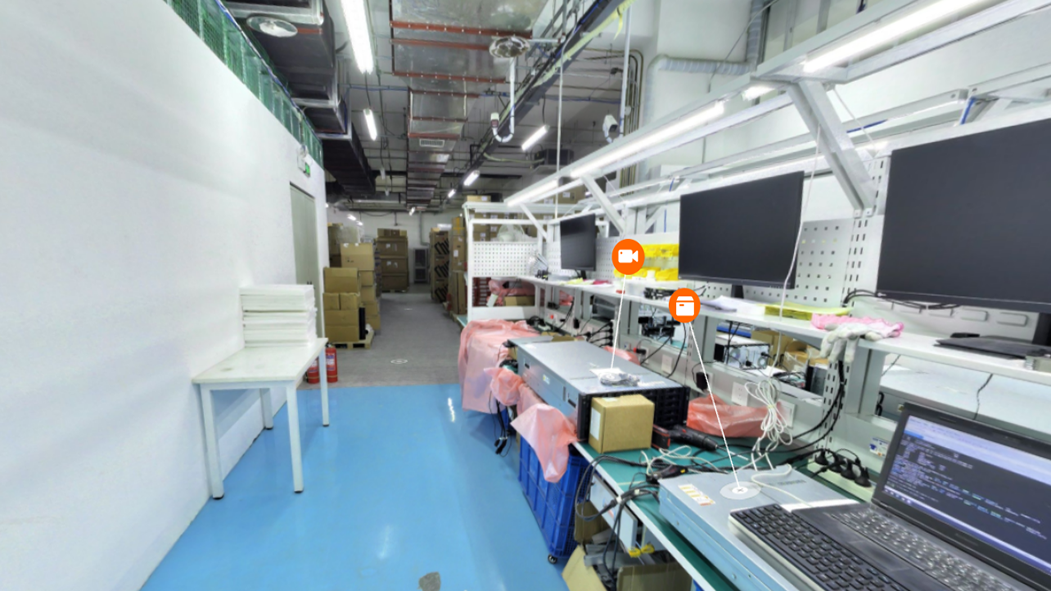
High-density components, specialized accelerator nodes, and system memory modules to customize your platform.
Common questions concerning enterprise server acquisition, physical customizations, and software deployment integrations.
 Nexa AI Server