High-Density Computing Units for Global Colocation Frameworks
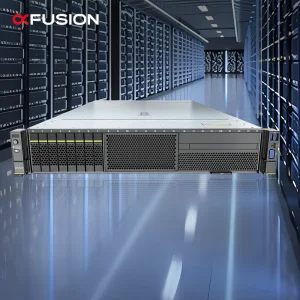
Under the leadership of Nexa Technology Co., Ltd. (Shenzhen Tiansheng Cloud Technology Co., Ltd.), we outline the paradigm shift in modern colocation facilities and enterprise-grade hardware supply chains.
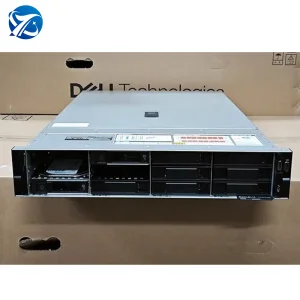
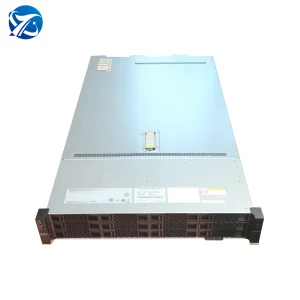
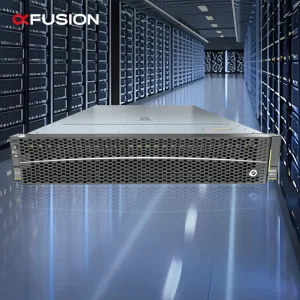
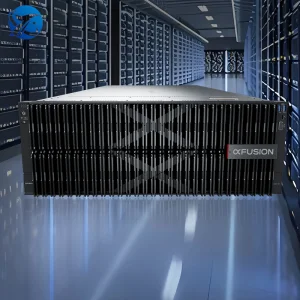
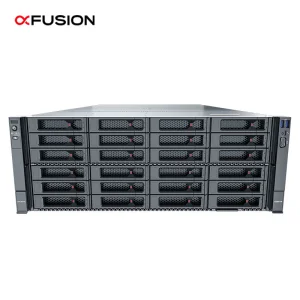
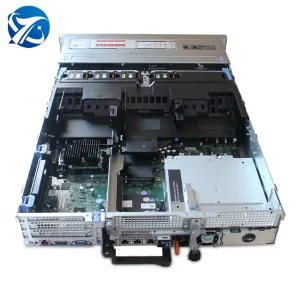
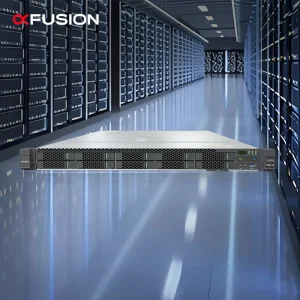
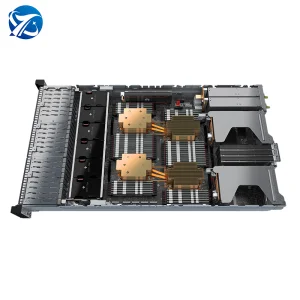
We specialized in distributing high-performance computing hardware including Dell PowerEdge (R750, R740, and R760 series) and FusionServer (xFusion) architectures. Our hardware options support multi-socket configurations, high NVMe capacities, and ECC DDR4/DDR5 systems, custom-built to sit inside tier-compliant colocation layouts globally.
Every server system we distribute complies with European Conformity (CE) safety, health, and environmental requirements. This includes LVD (Low Voltage Directive) and EMC (Electromagnetic Compatibility) standards, ensuring smooth integration into European and worldwide enterprise colocations without regulatory hurdles.
By pairing high-density 1U, 2U, and 4U chassis with advanced GPU accelerators and high-speed network interfaces (up to 100Gbps), we deliver scalable computing solutions optimized for deep learning, scientific simulation, and large language model (LLM) serving in modern data environments.
Understanding the convergence of physical infrastructure, edge placement, and power utility constraints across key international markets.
The modern global colocation industry is undergoing a structural transformation. With the exponential rise of artificial intelligence, high-performance computing (HPC), and distributed databases, enterprises are transitioning from standard on-premise servers to highly specialized colocation frameworks. Colocation services offer the foundational space, power, cooling, and physical security, but the actual efficiency and operational capabilities depend heavily on the hardware chosen to inhabit these data center slots.
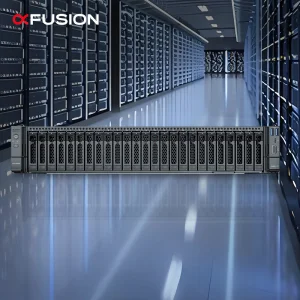
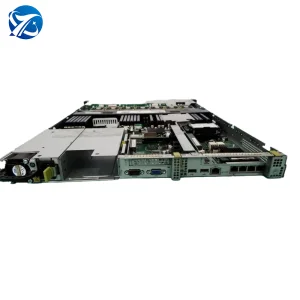
In regions such as Eastern Europe, Southeast Asia, and the Middle East, high energy prices and strict carbon emission goals make power utilization efficiency (PUE) the defining metric of data center performance. Using optimized 1U and 2U rack servers—like the xFusion FusionServer 1288H V6 or the Dell PowerEdge R750xs—allows facility tenants to maximize computing density per rack unit, effectively lowering their operational expenditure (OpEx) while keeping thermal profiles within standard range limits.
Traditional data center racks were built to handle load profiles of 3kW to 5kW. Today's AI-ready setups require 15kW to 40kW per rack. Achieving this density requires compact servers outfitted with high-efficiency redundant PSUs (such as 1500W or 2000W 80 Plus Platinum/Titanium configurations) to prevent grid phase overloads.
Deploying infrastructure globally requires conformity to strict international standards. Compliance with European CE directives is not merely a formality but a primary gatekeeper for hardware import, installation, and operation within European colocation facilities, ensuring minimum harmonic noise emissions on shared power grids.
While massive central data storage facilities handle batch processing, edge colocation spaces demand lightweight, robust servers capable of handling localized data synthesis. Features like NVMe drive bays, 10Gbps/25Gbps network cards, and low latency network switches are essential to guarantee rapid data caching at the perimeter.
How Shenzhen Tiansheng Cloud Technology Co., Ltd. coordinates hardware procurement, validation, and worldwide delivery.
Operating from Shenzhen, the global hub of electronics manufacturing and component logistics, Shenzhen Tiansheng Cloud Technology Co., Ltd. (operating globally as Nexa Technology Co., Ltd.) leverages a hyper-connected network of hardware fabricators, test facilities, and shipping corridors. The Chinese supply chain allows for unparalleled agility in server configuration, system testing, and spare parts procurement.
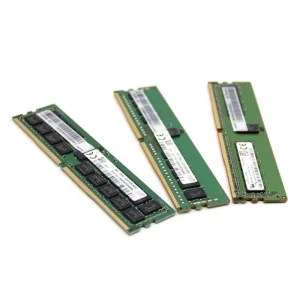
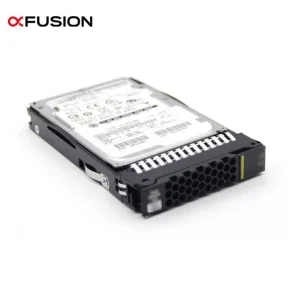
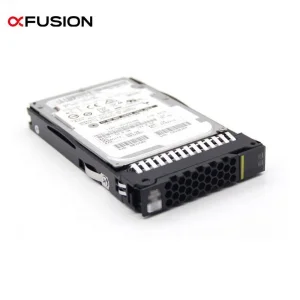
Whether you require specific RAM densities (such as the xFusion Fusion Server DDR4 RDIMM 32GB/64GB modules) or high-capacity enterprise storage disks (like the NL SAS 12TB enterprise drives), our proximity to production ecosystems means we can procure, assemble, benchmark, and ship custom rack configurations within days, rather than the months typical of traditional procurement pipelines.
Our custom hardware assembly line is rigorously monitored by certified engineers who ensure that even refurbished enterprise hardware performs to factory specifications, offering a cost-effective, circular economy alternative for high-performance computing needs.
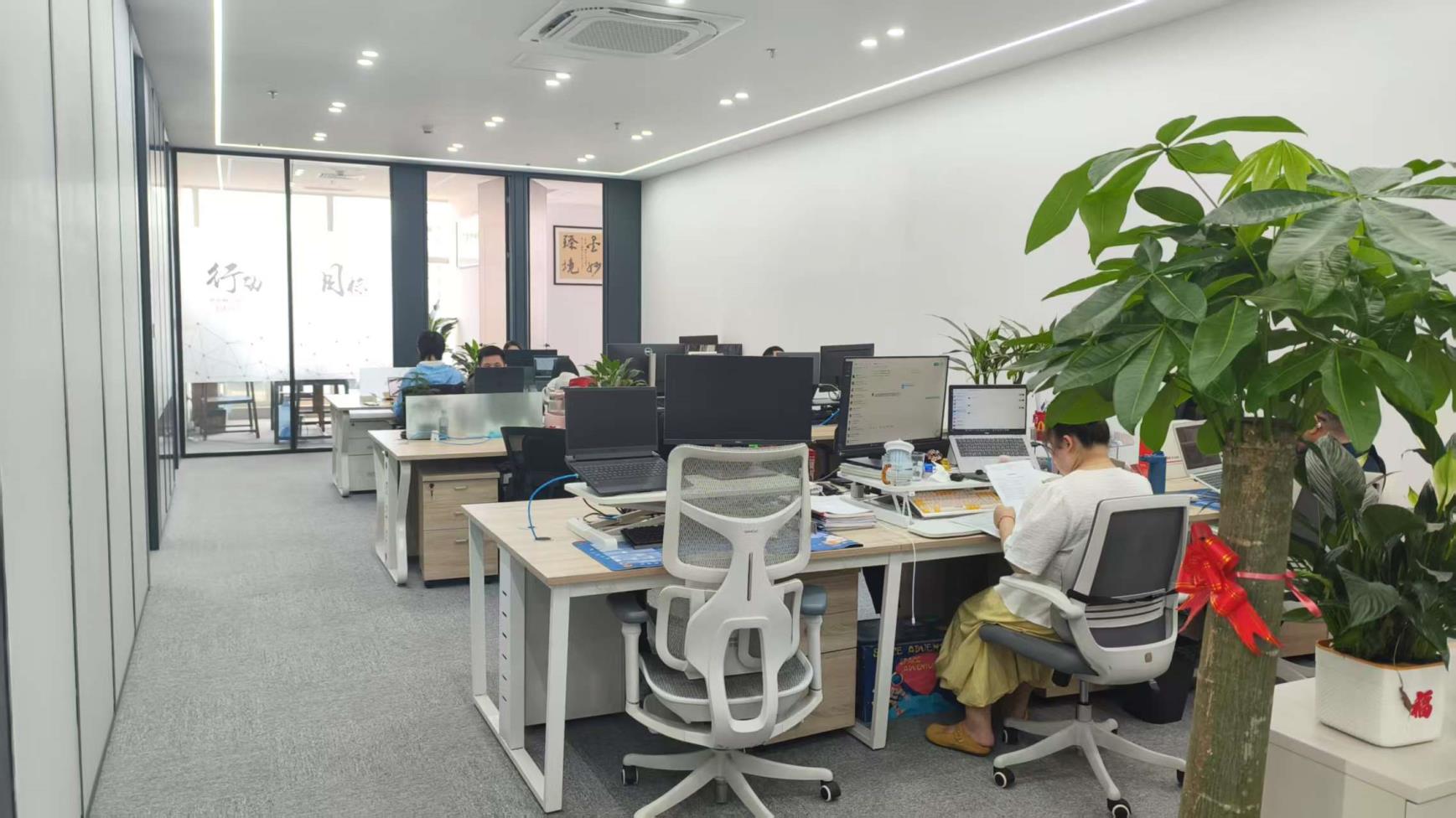
From edge computing to hyperscale model deployment: customized server infrastructure in practice.
Modern machine learning workflows require substantial memory bandwidth and raw processing capabilities. Using 4U dense architectures (such as the FusionServer G5500 V6 or xFusion 2488H V7 optimized with multiple GPU accelerators), data teams can scale model execution locally inside their colocation rack, avoiding high public cloud transfer costs.
For enterprise-grade cloud providers hosting multi-tenant applications, standard 1U/2U servers like the FusionServer 1288H V6 or 2288H V6 equipped with high core-count Intel Xeon Scalable Processors offer the ideal compute density. They enable hundreds of Virtual Machines (VMs) to run concurrently while ensuring hardware-level segregation and robust security.
Media companies, financial archives, and medical imaging facilities need secure, local long-term storage solutions. Integrating high-speed SAS hard drives (from 4TB up to 12TB configurations) inside robust systems like the xFusion 2488H V7 NAS storage unit guarantees reliable storage, fast file retrieval, and low maintenance overhead.
Navigating the transition toward liquid cooling, higher bus speeds, and AI-optimized data center paradigms.
As CPU and GPU thermal designs continue to demand higher power inputs, the colocation sector is moving quickly toward advanced liquid cooling. Racks designed for air cooling are struggling to cope with processor TDPs that now regularly exceed 350W per socket. Hardware manufacturers are adjusting by implementing hybrid liquid-to-air cooling manifolds and fully sealed liquid loops designed for easy maintenance within third-party facilities.
Furthermore, the emergence of PCIe 5.0 and upcoming PCIe 6.0 interfaces will dramatically increase communication bandwidth between CPUs and accelerators. In the roadmap below, we outline the key stages of system configuration design that Nexa Technology Co., Ltd. is adopting to keep our clients ahead of the technology curve.
By 2026, standard enterprise server architectures will feature custom liquid-cooling blocks. This allows colocation operators to lower their PUE, decrease acoustic noise, and support higher computing densities without upgrading existing fan systems.
Data Center Infrastructure Management (DCIM) tools will soon utilize integrated AI algorithms. These tools dynamically monitor server health, check RAM stability, predict PSU failures, and optimize power delivery schedules based on real-time application load demands.
Compute Express Link (CXL) technology will allow servers to pool memory resources dynamically. This reduces memory access latency and drastically cuts costs, enabling cost-effective scaling for databases and heavy microservice architectures.
Ensuring cross-border shipments conform to regional regulations while maintaining solid buyer protection.
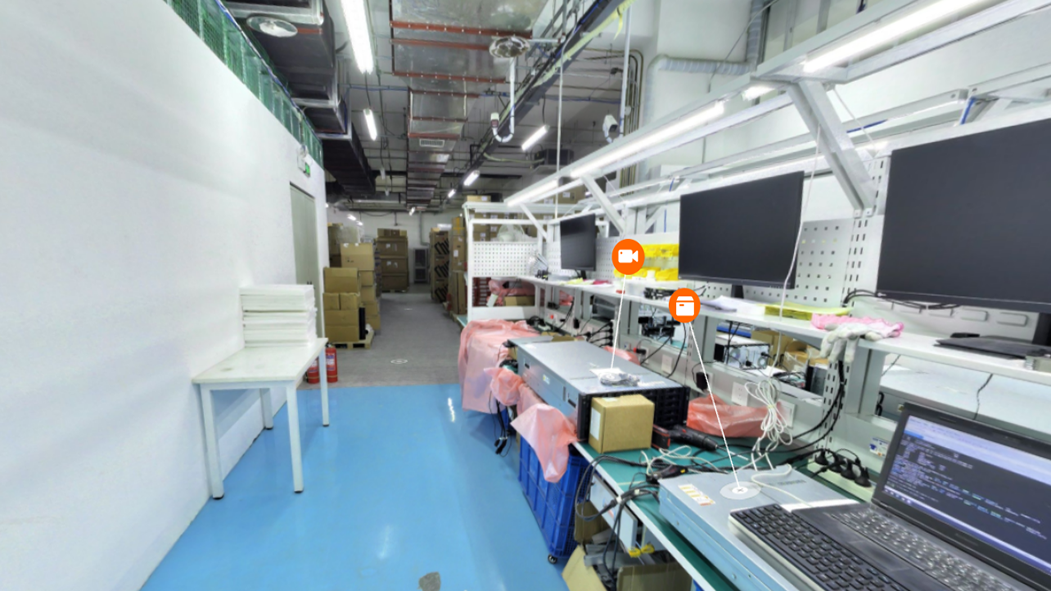
Navigating global import regulations can be challenging. Working with an Intertek-audited supplier like Shenzhen Tiansheng Cloud Technology Co., Ltd. ensures that your hardware arrives safely and meets all local standards. We offer support across multiple languages—including English, Spanish, Russian, French, and Portuguese—to ensure clear communication regarding custom configurations, delivery timelines, and tax clearance requirements.
Furthermore, we utilize Alibaba Trade Assurance to protect transactions from payment to delivery. Every client receives customized support, detailed hardware testing reports before dispatch, and a dedicated technician to assist with remote configuration and initial IPMI setup.
Our rapid SLA system guarantees response times of under 3 hours for all technical inquiries, troubleshooting, or hardware modification requests, helping to minimize downtime for your business.
Answers to technical and logistics questions regarding our CE certified server infrastructure.
High-Density Computing Units for Global Colocation Frameworks
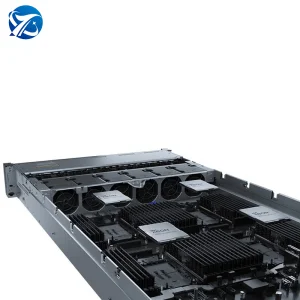
 Nexa AI Server