Choosing the right high performance AI server manufacturer is crucial for any business looking to leverage advanced technology. The demand for AI servers has surged, driven by the need for speed and efficiency. This increase in demand has flooded the market with options, making the selection process daunting.
When selecting a high performance AI server manufacturer, consider their experience in the industry. An established company often demonstrates reliability and expertise. Look for manufacturers that showcase innovative solutions and successful case studies. Their reputation is often a testament to their commitment to quality.
However, finding the perfect fit may not be straightforward. Some manufacturers might overstate their capabilities. Reviews and testimonials can provide insights, but they're not always comprehensive. Evaluate several manufacturers to understand their strengths and weaknesses. This approach ensures informed decision-making, ultimately leading to an optimal choice for performance and budget.
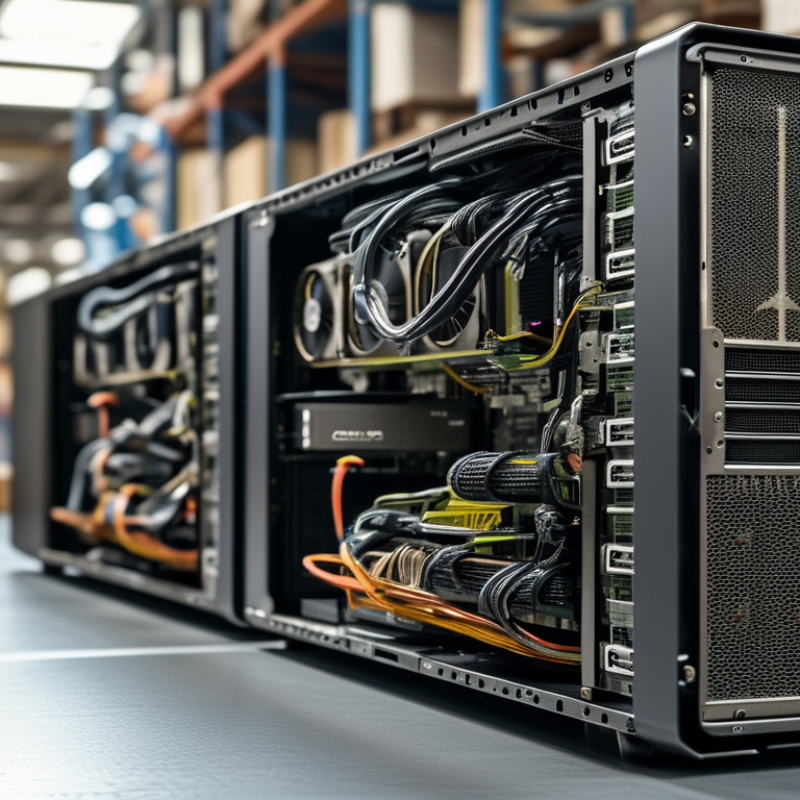
When choosing a high-performance AI server, understanding performance metrics is crucial. One key metric is processing power, which often refers to the CPU and GPU specifications. According to a recent report from Frost & Sullivan, a server's GPU performance can significantly affect AI workload processing speed. High-end GPUs can outperform lower-tier ones by over three times in certain deep learning tasks.
Another important aspect is memory and storage. AI applications require substantial RAM, typically 64GB or more, to handle large data sets efficiently. The speed of the storage solution is also vital; solid-state drives (SSDs) greatly outperform traditional hard disk drives (HDDs) in read and write speeds. An impressive benchmark showed SSDs reducing data access time by 80%, enhancing overall system response.
Network performance must not be overlooked either. Latency and bandwidth are critical, as AI applications often operate in real-time and require quick data transfer. A study by Gartner indicated that low-latency networking can reduce processing time significantly. Selecting a manufacturer who understands these metrics ensures you invest in a server that meets your specific AI requirements. However, not every server advertised as high-performance will excel across all these metrics. It's essential to reflect on your actual needs and verify claims before making a choice.
This chart represents the key performance metrics to consider when choosing a high performance AI server. The metrics include CPU cores, RAM, storage capacity, GPU CUDA cores, and network speed, which are essential for understanding the capabilities of an AI server.
When selecting a high-performance AI server manufacturer, reputation is paramount. Trustworthiness can be gauged through years in business. Companies with a history of 10 years or more often have refined their offerings. They understand industry trends and customer needs. A recent report indicates that approximately 70% of clients prioritize a vendor's experience before making a decision.
Industry experience also reflects a manufacturer’s ability to innovate. Companies that have consistently adapted to new technologies tend to outperform their competitors. For instance, a study showed that firms with over 15 years in the sector achieved a 30% higher customer satisfaction rate. This is a telling indicator of their commitment to quality.
Evaluating a manufacturer's reputation may involve reviewing client testimonials and case studies. Look for detailed insights about successful deployments. Yet, finding genuine feedback can be challenging. Many companies may showcase only their best reviews. Being aware of this bias is essential for making an informed decision. An AI server manufacturer must not only provide advanced technology but also demonstrate an ongoing commitment to improving their products.
Choosing the right high-performance AI server can be challenging. Cost-effectiveness is key. Different solutions have varying price points. It’s crucial to evaluate what fits your specific needs without overspending. Analyze the features that matter most. Look for versatility in handling various AI workloads.
Tips: Focus on scalability. A system should grow with your needs. Assess potential future demands when choosing a server.
Consider energy consumption too. Efficient servers reduce operational costs over time. Sometimes, a lower upfront cost leads to higher long-term expenses. Review maintenance costs. Some providers might offer lower initial prices but could have hidden fees later.
Tips: Request detailed breakdowns of costs. Understanding all expenses helps in effective comparison. Transparency from manufacturers indicates reliability.
Choosing wisely ensures you get the best return on investment. Balance cost against performance metrics. The right choice should meet both current and future requirements. Think about the trade-offs between price and quality. Ultimately, the right server will enhance your AI capabilities.
| Manufacturer | Average Cost (USD) | Performance Score | Power Efficiency (Watt) | Warranty Period (Years) |
|---|---|---|---|---|
| Manufacturer A | $20,000 | 95 | 1500 | 3 |
| Manufacturer B | $22,500 | 90 | 1600 | 4 |
| Manufacturer C | $19,000 | 97 | 1450 | 3 |
| Manufacturer D | $21,000 | 92 | 1550 | 5 |
| Manufacturer E | $23,000 | 89 | 1650 | 4 |
When selecting a high-performance AI server manufacturer, technical support is crucial. Reliable support ensures your investment is protected. Look for providers that offer 24/7 assistance. Responsive support can minimize downtime, enabling you to maintain productivity.
Warranties are another vital aspect to consider. A robust warranty reflects the manufacturer’s confidence in their products. Evaluate the duration and coverage of the warranty. Short warranties may indicate potential issues. Manufacturers that provide extended warranties often stand behind their offerings. This speaks to their commitment to quality.
Assessing these factors requires careful consideration. Not all manufacturers provide the same level of service. Take time to read reviews and consult industry experts. They can highlight strengths and weaknesses that may not be immediately evident. A secure choice involves thorough research and reflection on your specific needs.
When selecting a high-performance AI server manufacturer,
scalability and
future-proofing
are crucial factors. As technology evolves rapidly, a server must adapt to increasing demands.
Look for features that cater to expanding workloads, such as modular designs.
This approach allows you to upgrade components without entirely replacing the system.
Consider the manufacturer's track record. Their history with scalable solutions
can indicate reliability. A company with a strong portfolio demonstrates experience in handling
diverse projects. Pay attention to customer testimonials and case studies. They provide insights
into performance and adaptability over time.
Tips: Always inquire about
upgrade paths. Understand how
the server can evolve with your needs. Regular software updates
are also vital in maintaining performance. A proactive support team
can enhance your overall confidence in their products.
Don’t ignore the importance of compatibility. Ensure the
server integrates well with existing systems. A well-designed system should not create bottlenecks.
Balancing current needs with future expectations is a constant challenge. Reflect on potential growth
areas in your organization to inform your decision.
I server?
A robust warranty shows the manufacturer’s confidence in their products. Consider duration and coverage when evaluating.
Scalability allows a server to adapt to growing workloads, enabling upgrades without total replacement of the system.
Check their track record and customer testimonials. These show how well they handle diverse projects over time.
Always ask about available upgrade paths. Understanding how the server evolves with your needs is crucial.
Compatibility ensures the server works well with existing systems, preventing performance bottlenecks.
Testimonials provide insights into performance and adaptability. They may reveal strengths and weaknesses not immediately clear.
Balancing current demands with future expectations can be difficult. Reflect on potential growth areas in your organization.
Short warranties might indicate potential issues. They may not offer the reassurance you need for a reliable investment.
Regular updates help maintain optimal performance, ensuring the server meets evolving demands efficiently.
When choosing the best high performance AI server manufacturer, it is crucial to understand the performance metrics and specific requirements that AI workloads demand. Key factors to evaluate include the reputation and industry experience of the manufacturer, which can indicate their reliability and expertise in producing high-quality AI servers. Additionally, cost-effectiveness should be considered, as budget constraints play a significant role in decision-making without compromising on performance.
Technical support and warranty options are essential factors that can impact the longevity and efficiency of AI server operations. A manufacturer that offers robust support can help resolve issues swiftly, ensuring minimal downtime. Furthermore, analyzing scalability and future-proofing aspects of server offerings will prepare businesses for ongoing advancements in AI technology. By taking these elements into account, organizations can make informed decisions when selecting a high performance AI server manufacturer that aligns with their needs.

Nexa AI Server